Reading Melbourne through its laneways
Melbourne rewards an itinerary organized around neighborhoods and weather rather than a checklist. Let one laneway walk open into a gallery, a market and an afternoon outside the center.
Inside this story
Melbourne is often introduced through its laneways, but the small passages make most sense inside a larger urban framework. A central grid, tram corridors, markets, the Yarra and neighborhoods beyond the commercial center each give the city a different scale. Begin with a few lanes, then let the day open outward. One gallery, one market or one neighborhood meal can supply the substance that a circuit of photogenic walls alone cannot.
The city also rewards practical flexibility. Weather can change the appeal of an outdoor route, and a destination that looks adjacent on a map may still require a useful transport decision. Instead of planning a continuous sequence of celebrated addresses, choose an area with an indoor anchor and room to wander. That structure makes it easier to notice Melbourne as a working city rather than a collection of recommendations.
- The central street grid makes a useful framework for exploring smaller lanes.
- Queen Victoria Market is an active trading space with schedules that need checking.
- Local parks provide breathing room between busy commercial streets.
Read the grid before entering the lanes
The central street grid gives the first morning a straightforward framework. Learn a few principal streets and the direction of the river before concentrating on smaller passages. This makes the lanes more enjoyable because you can explore without losing the ability to return to a known route. A short detour can then remain spontaneous rather than becoming a search for an exit while the rest of the group waits.
Choose several lanes within a manageable area and look at their different functions. Some support cafés and small businesses, others are service spaces, and some attract attention for art. Deliveries, waste collection and access still need room. Stand clear of doors and vehicles, particularly when photographing upward or stepping backward to frame a view. The visual appeal of a narrow passage does not make it pedestrian space without practical demands.
Street art changes. An image seen before travel may have been altered, covered or removed by the time you arrive. Approach the walls as a living urban feature instead of an exhibition with a guaranteed checklist. Looking for composition, texture and the relationship to the surrounding street can be more rewarding than searching only for a familiar work. Let what is actually present determine the walk rather than judging it against an old photograph.
Coffee works best inside the route
Melbourne's coffee reputation can tempt visitors into elaborate detours. A more useful approach is to choose a welcoming stop when it helps the day: after arrival, between lanes or before an indoor visit. Pay attention to the place itself, including how orders work and whether seating suits the group. A comfortable table on your route may become more memorable than a highly discussed address reached after a long journey.
Use the pause to decide what follows. If the weather is changing, confirm the gallery or museum option before leaving. If the morning has already involved substantial standing, choose a seated lunch instead of extending the café sequence indefinitely. A food interest should enhance the city's geography rather than make it disappear behind a succession of transport connections. Enjoying one place fully is a sound reason to visit fewer places that day.
Dietary preferences are easiest to manage when there is time to read a menu and ask questions. Do not assume that every small venue can accommodate the same needs. If a specific meal matters, plan it with clear information and keep the surrounding activities nearby. This reduces pressure on both the traveler and the business. The best food planning leaves room for appetite, conversation and an unhurried departure, not merely a successful arrival.
Queen Victoria Market as a working place
Queen Victoria Market provides a different kind of urban encounter from the lanes. It is a trading environment whose usefulness depends on current schedules and the activities taking place during your visit. Check those arrangements directly before dedicating a morning to it. A market name does not guarantee that every area or stall will be operating whenever you arrive, and an old itinerary is not a substitute for current information.
Walk with a purpose that goes beyond collecting images. Buy fruit for later, ask about an unfamiliar ingredient or choose something that can be enjoyed comfortably on site where permitted. Give sellers space to serve customers and step out of the flow before stopping to discuss a purchase. The market reveals more when you attend to its systems: where people queue, how goods are displayed and how shoppers move between different kinds of stalls.
Keep the rest of the morning flexible. A conversation or a meal may take longer than expected, while another visit may be brief. Nearby central routes provide easy alternatives without requiring an immediate cross-city transfer. If you intend to buy perishable food, consider storage and the timing of the return to your room. Practical details are part of participating in the market, and they often produce a more grounded experience than shopping without a plan for the purchases.
Let a gallery anchor uncertain weather
A substantial gallery visit gives a Melbourne day a center that does not depend on ideal walking conditions. Choose according to the current collection or exhibition rather than treating every art institution as interchangeable. Check access and ticket arrangements with the institution. If art is a major interest, give the visit a period when you are alert instead of placing it after several hours of markets, cafés and street walking.
Inside, allow yourself to focus. Seeing a selection carefully can be more useful than passing through every room. Read enough interpretation to understand why a work or group of objects is there, then leave time to look without reading. For companions with different levels of interest, agree on a meeting place and a realistic duration. This permits one person to continue exploring while another rests without turning the visit into a negotiation at each doorway.
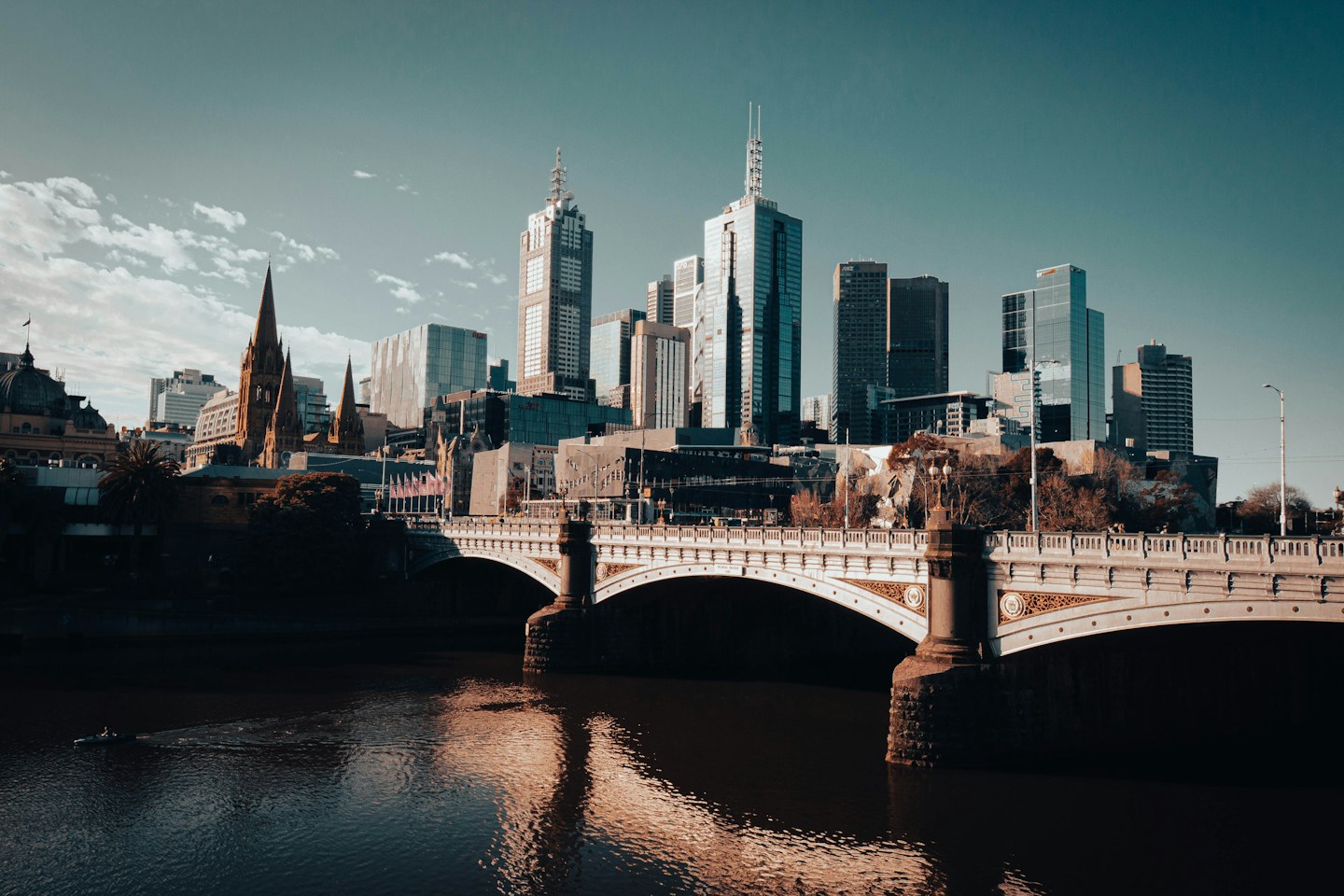
Pair the collection with a shorter walk beside the Yarra when conditions suit. The river offers an open perspective after the dense commercial center and indoor rooms. There is no need to cover a long section for that contrast to work. Select a convenient crossing and a comfortable stopping point, then keep an easy route home available. If the weather remains poor, a nearby meal can provide a satisfactory ending without trying to recover every outdoor activity originally imagined.
Give Fitzroy enough time to feel different
Fitzroy adds a neighborhood perspective beyond the central grid. Visit with time for streets, independent businesses and a meal instead of fitting it into the gap between two central appointments. The change matters because it allows Melbourne to become more than its business district. Look at the scale of buildings, the way shops occupy the pavement edge and the transition from busier routes to quieter residential streets.
A neighborhood is best understood through a combination of purposeful stops and ordinary walking. Choose one shop or cultural interest that you genuinely want to explore, then leave space around it. Photographing façades from public streets is straightforward; entering private passages or treating residential thresholds as props is not necessary. Everyday courtesy lets you look closely while preserving the routines that give the neighborhood its character.
Work out the return before the evening meal, especially if the day began early. Check current public transport arrangements and the final walk from the stop. A dinner in the neighborhood may complete the outing without requiring another district afterward. The point of leaving the center is to give a different place attention, so avoid measuring success by how many additional addresses can be reached before returning to the accommodation.
St Kilda is a coastal outing
St Kilda changes the setting again, introducing a coastal rather than central-city experience. It deserves a separate decision about weather, transport and the kind of afternoon you want. Do not attach it automatically to a full day of laneways, market browsing and galleries. The journey and the time outside can occupy a meaningful part of the day, particularly when you allow for food and an unhurried return.
A coast-facing route can feel quite different from sheltered city streets. Bring clothing that suits the forecast and check conditions rather than assuming that sunshine in the center guarantees a comfortable beach afternoon. Looking at the water, walking a modest section and choosing a nearby meal may be enough. Swimming is a separate decision that needs appropriate local information; the appearance of a beach alone does not establish its conditions.
If the weather changes, let the coastal outing move rather than trying to force it into the only fixed slot available. A gallery day or a shorter neighborhood walk can provide a better experience. This is one reason to avoid booking every afternoon tightly before arrival. Melbourne's variety is most useful when it gives you choices, and a flexible plan turns variable conditions into a selection problem rather than a ruined schedule.
Trams and the practical shape of a stay
Tram routes, fare rules and boundaries should be checked with the transport operator. Do not assume that a rule encountered on one central journey applies to every excursion. Know how you will pay and what action is required before boarding. Accurate information reduces hesitation and keeps the journey comfortable for the people around you. It also helps you compare accommodation locations through the routes you will actually use.
An address near useful connections can make a short stay simpler, but examine the final walk and luggage access as well. Parks provide welcome pauses between commercial streets, while a nearby café or food shop can make the accommodation neighborhood useful in its own right. Use official Melbourne visitor information for broader ideas and operators for current arrangements. Build a trip around contrasting settings, then let the lanes be the beginning of that understanding rather than its limit.
For current destination information, access guidance and local updates, visit the official Melbourne travel resource. Check transport and attraction details directly before booking.
This is a general planning guide, not a live conditions report. Found something that needs updating? Send a correction.