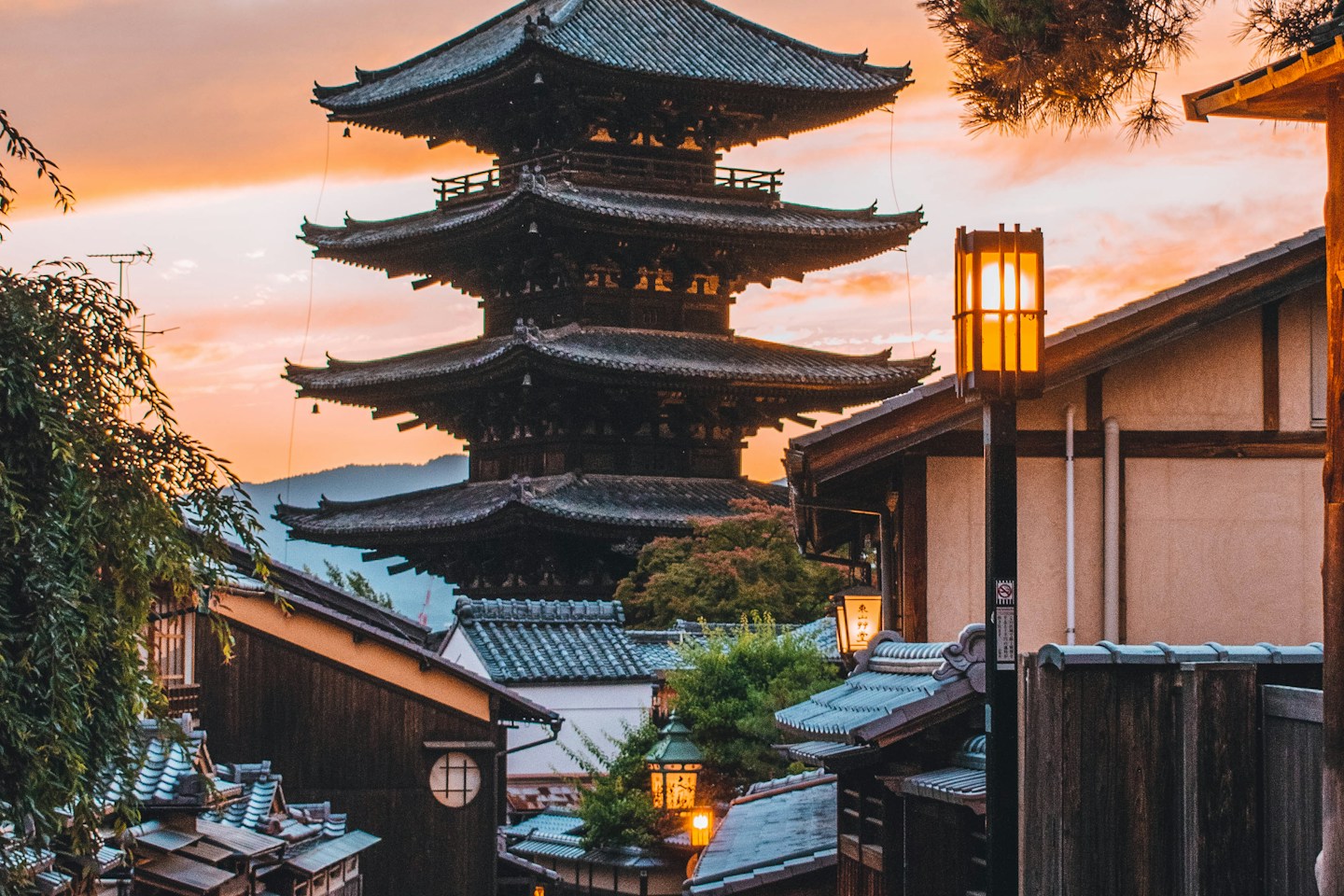
Kyoto, one neighborhood at a time
A quieter Kyoto begins along the Kamo River rather than in a queue. Build a visit around small areas, then let a few important temples give each day its shape.
Neighborhood walks, small discoveries and a more generous way to spend a city day.
A quieter Kyoto begins along the Kamo River rather than in a queue. Build a visit around small areas, then let a few important temples give each day its shape.
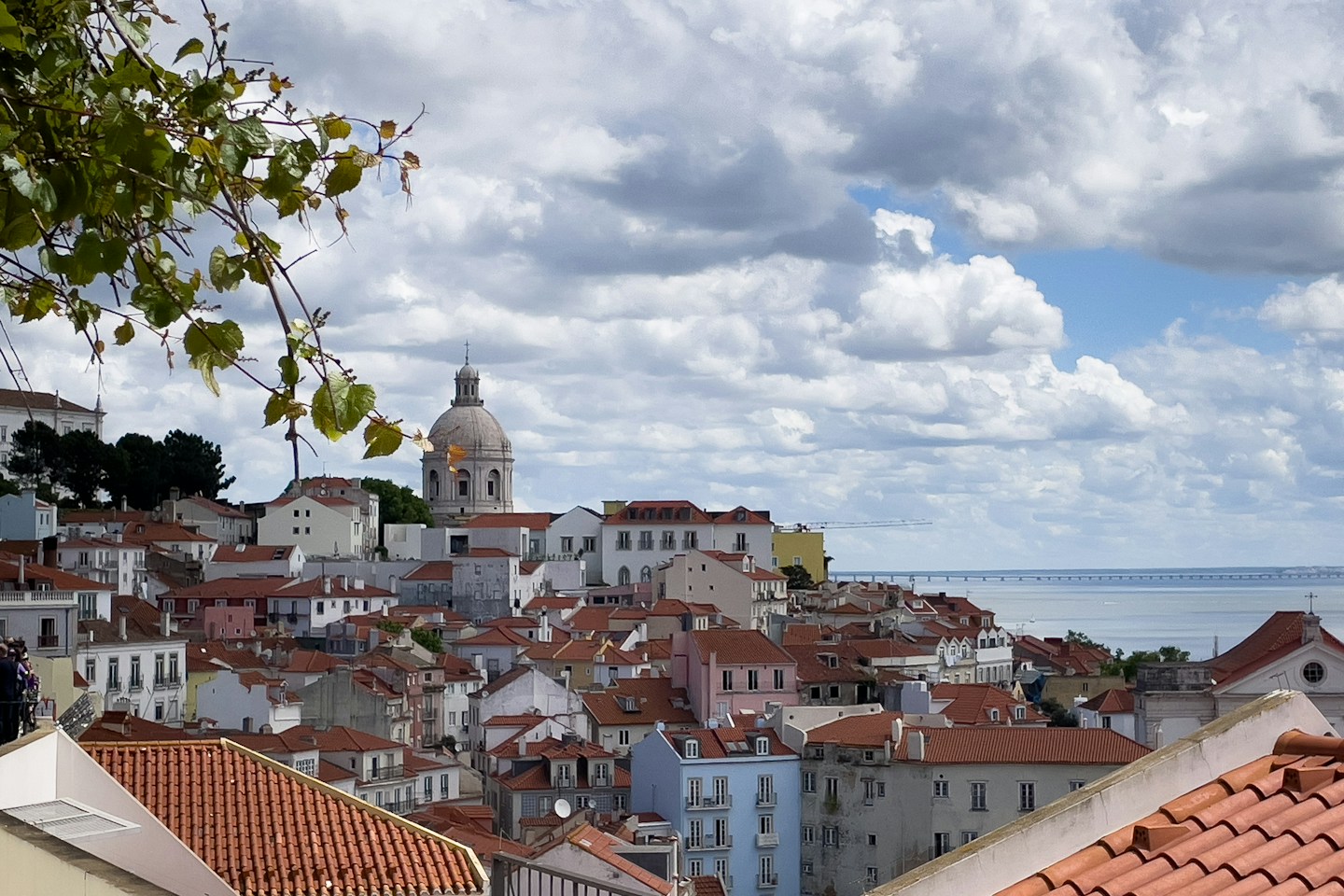
Lisbon makes more sense when you plan around its hills. Pair a waterfront stretch with a single upper neighborhood and leave enough energy for the walk home.
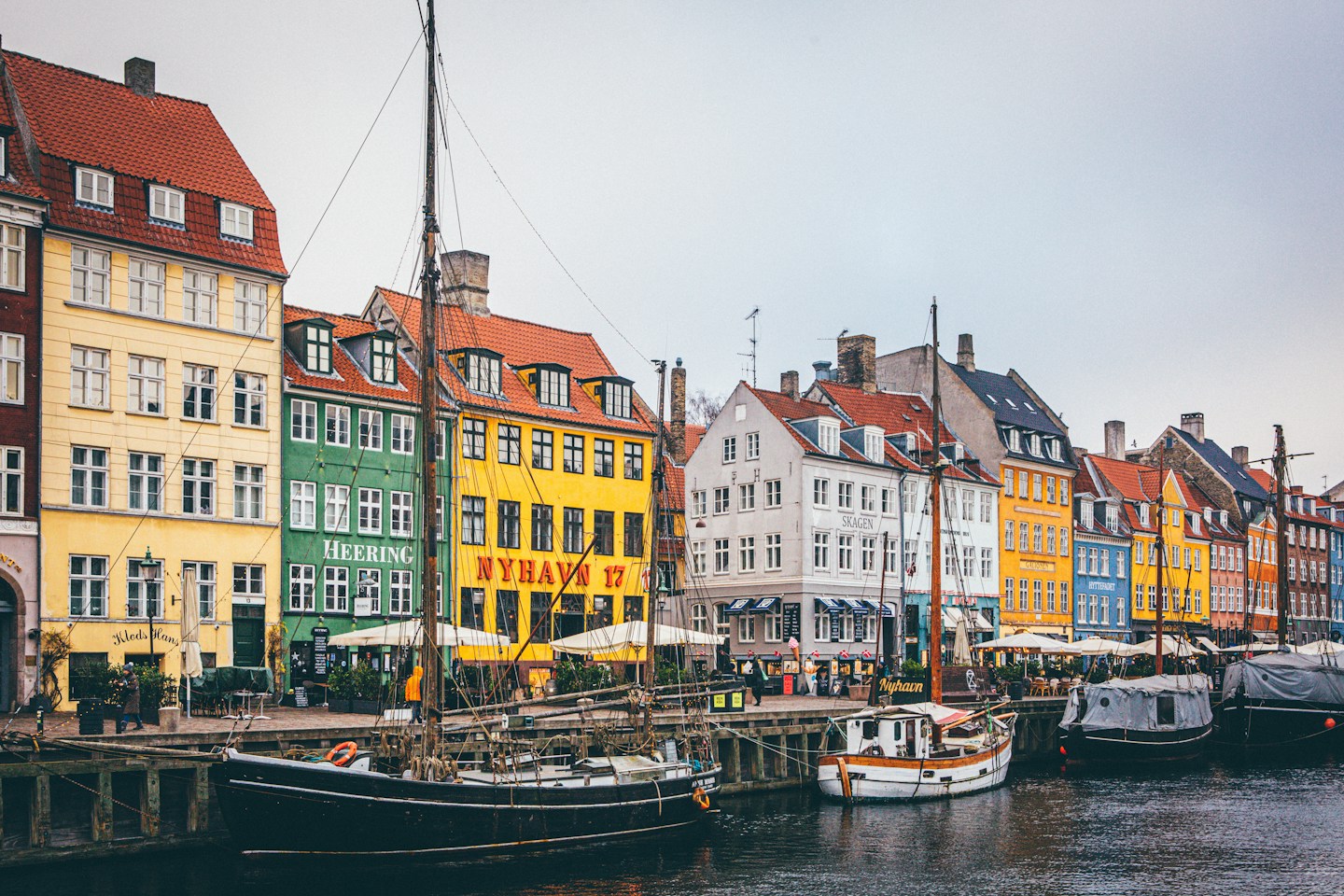
Copenhagen’s waterfront connects quite different kinds of city life. Use it as a thread between old harbor streets, contemporary architecture and unhurried neighborhood meals.
Edinburgh is a compact city with surprisingly demanding changes in level. Read it through its ridges and gardens, then choose a few places to explore in depth.
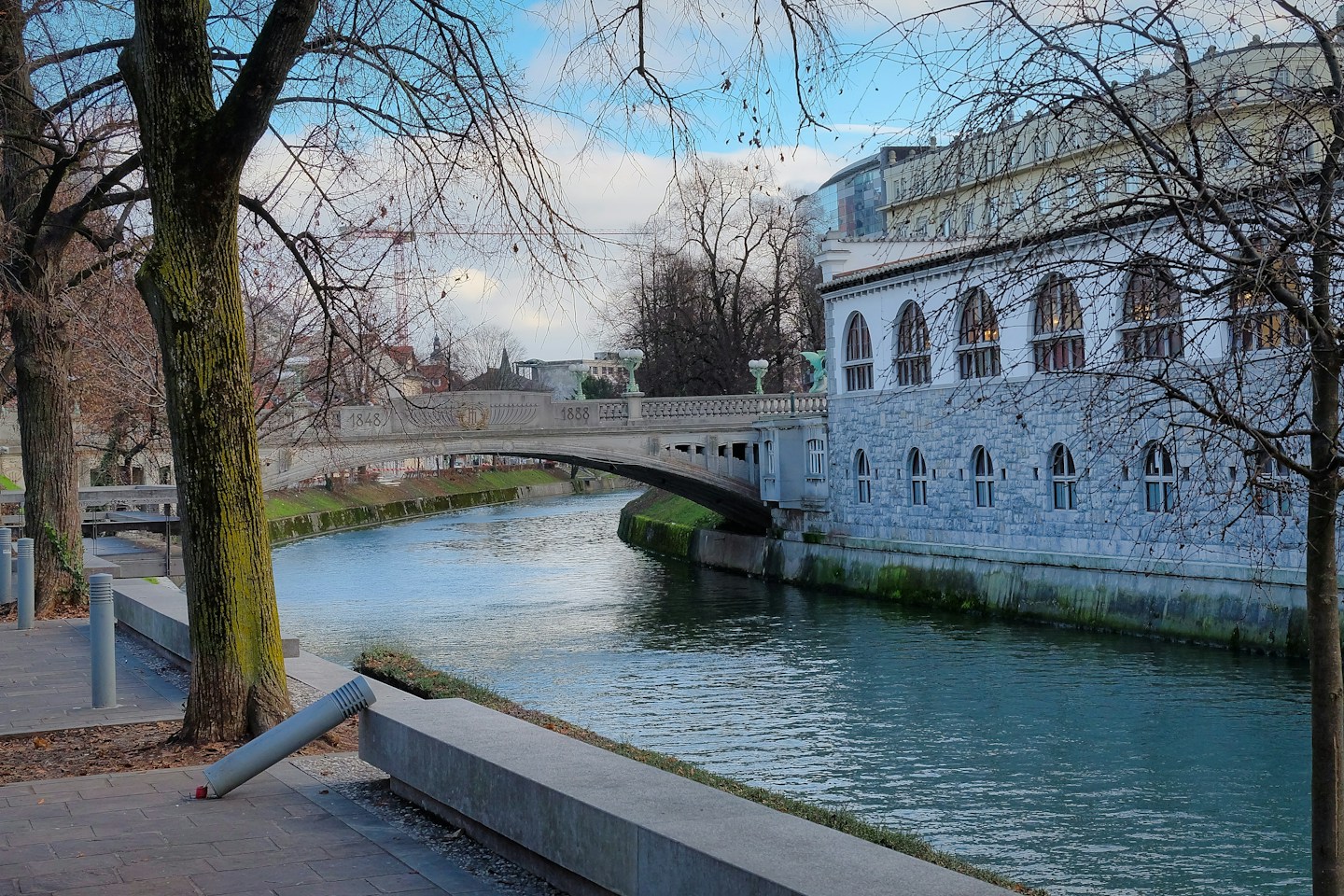
Ljubljana suits a visit measured in short walks and long pauses. Its riverfront gives a clear starting point, while the castle hill helps explain the city’s geography.
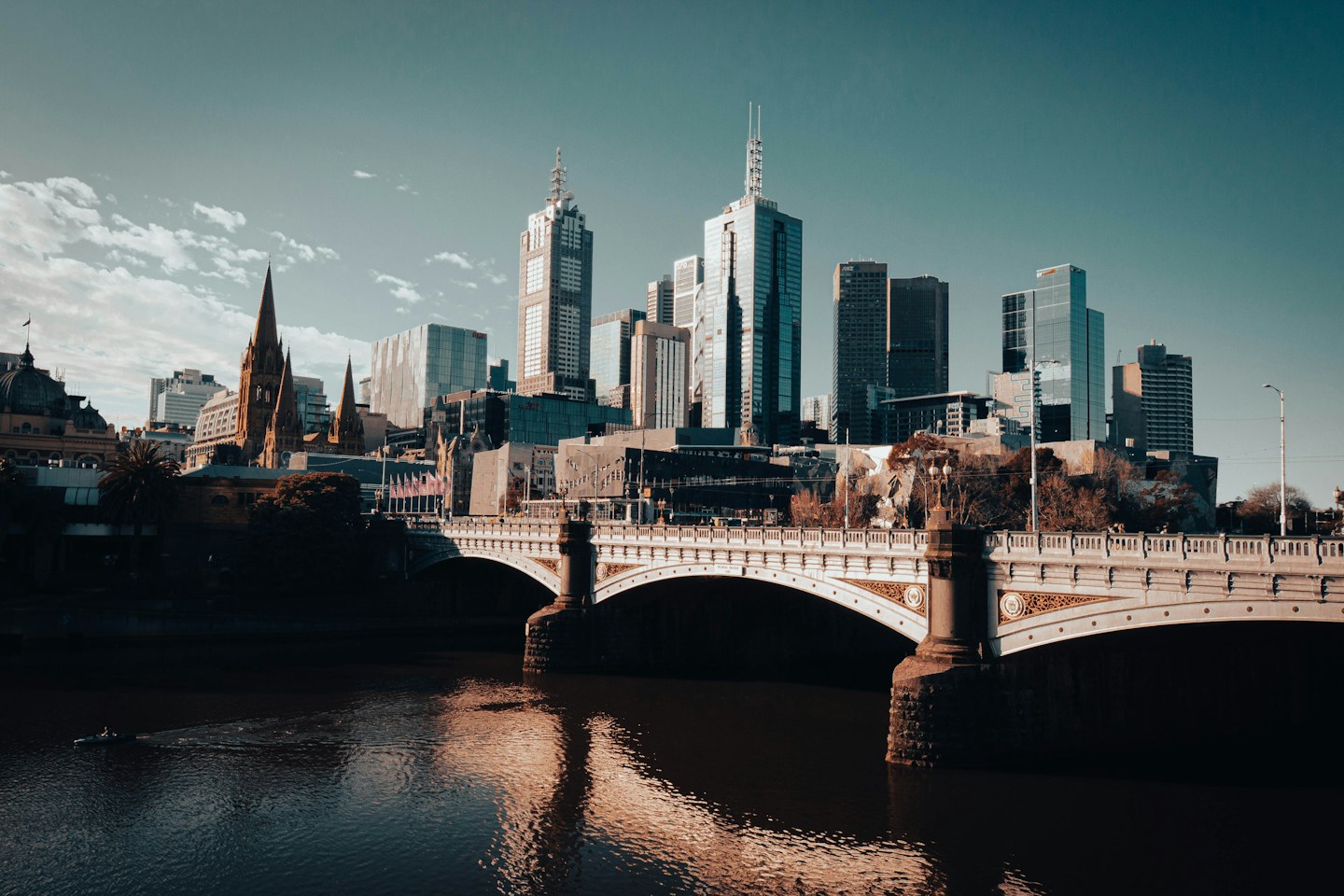
Melbourne rewards an itinerary organized around neighborhoods and weather rather than a checklist. Let one laneway walk open into a gallery, a market and an afternoon outside the center.
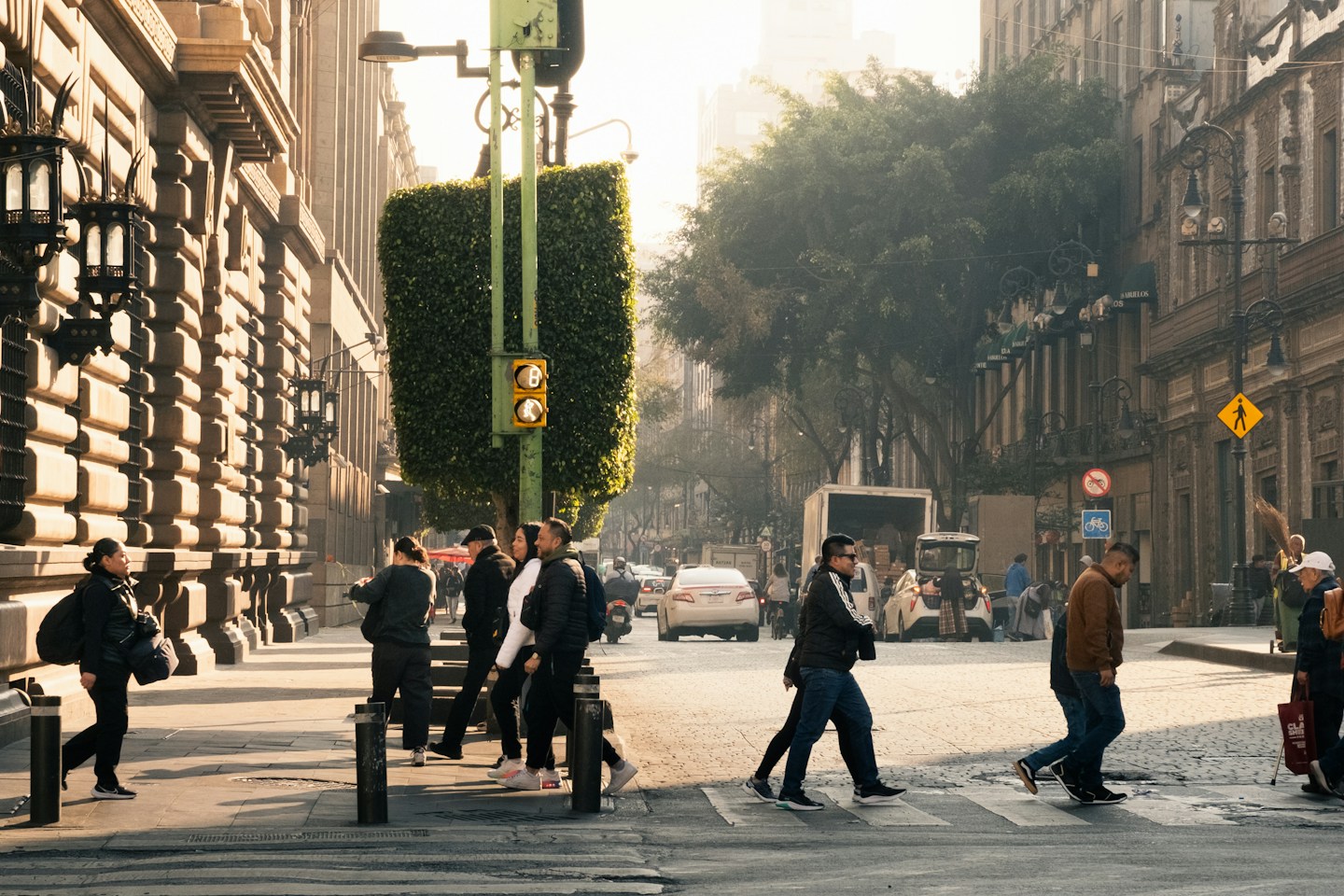
Mexico City is too large to understand by crossing it repeatedly. Choose a few coherent neighborhoods, allow for altitude and traffic, and make each day feel like a smaller trip.
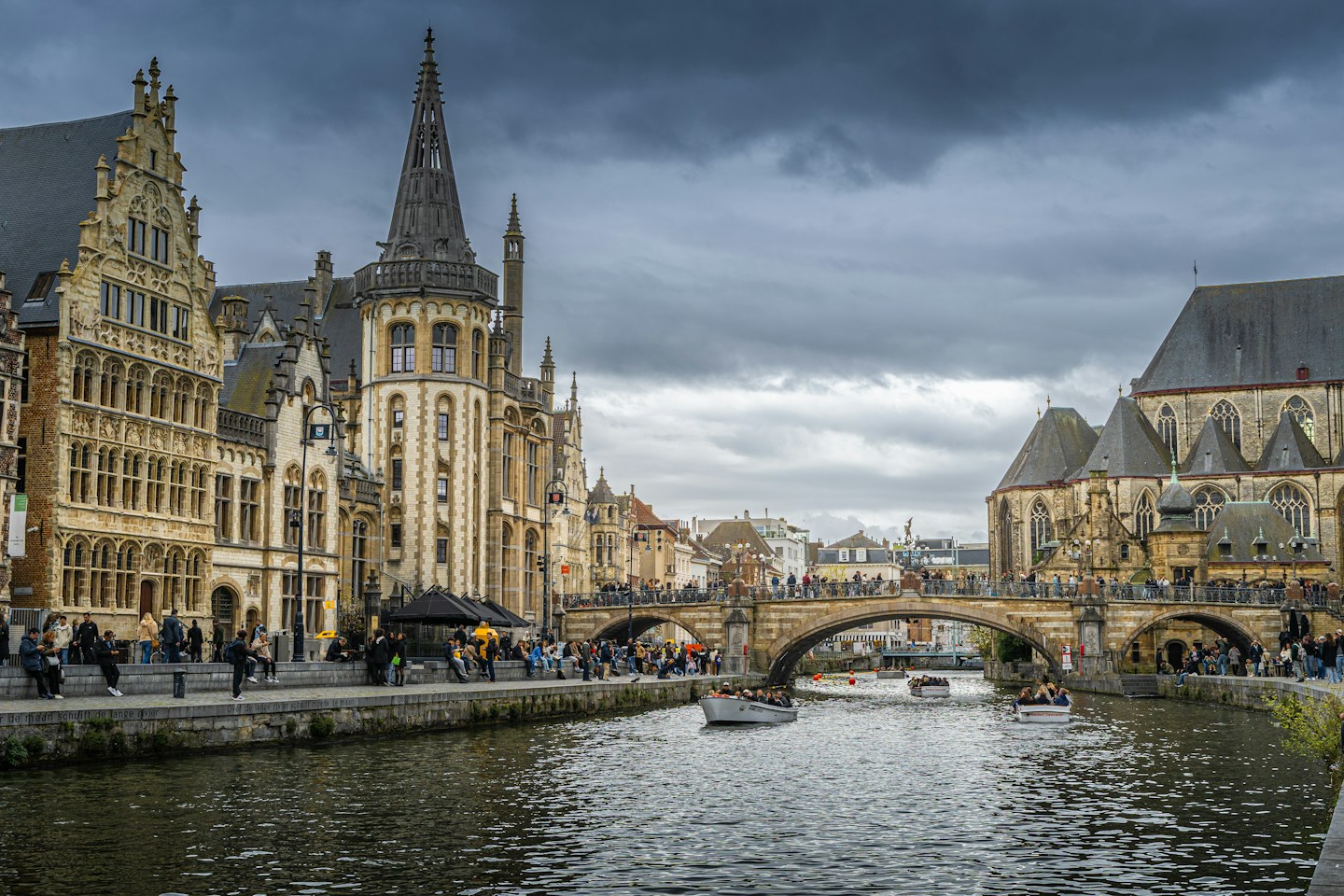
An overnight stay changes the pace of Ghent. Leave room for the riverfront after the busiest sightseeing hours, then use the next morning for streets beyond the familiar central views.
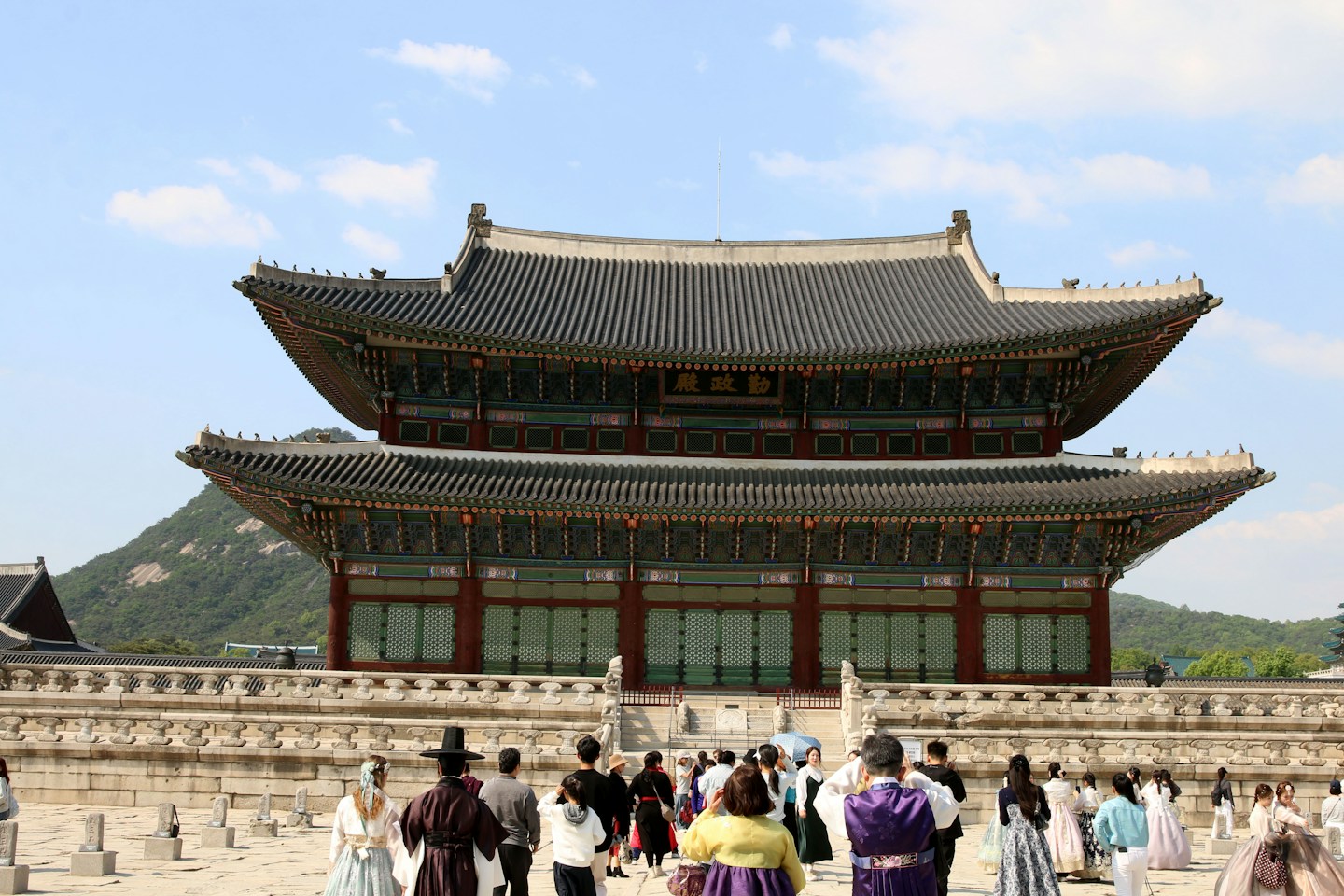
Seoul’s scale becomes manageable when a day has one geographic center. Combine a palace area with nearby streets, then give a different district its own time on another day.
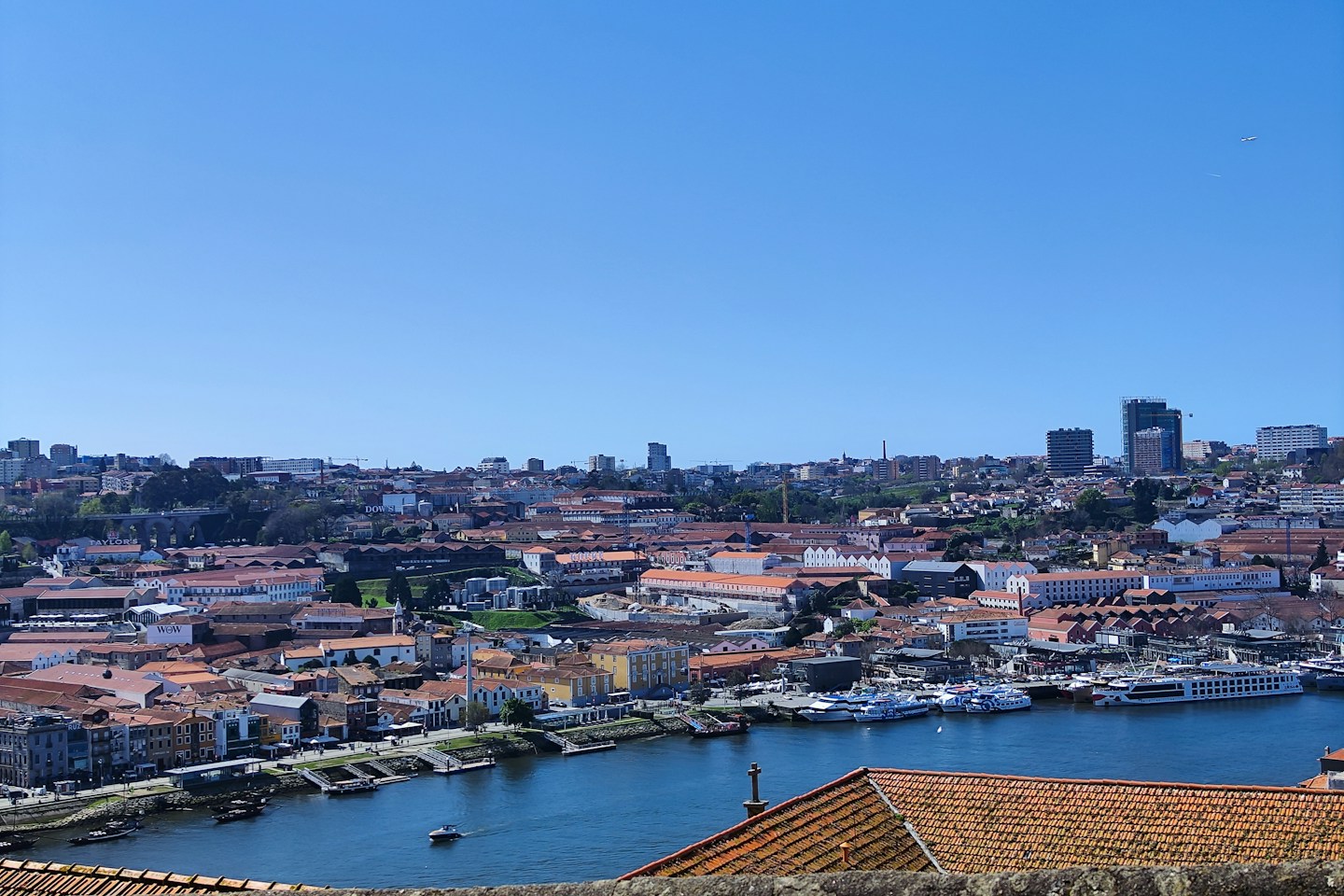
Porto’s river views are memorable, but the climb away from the water is part of the experience. Organize the city as a sequence of levels rather than a flat walking loop.