Mexico City in three neighborhood-sized days
Mexico City is too large to understand by crossing it repeatedly. Choose a few coherent neighborhoods, allow for altitude and traffic, and make each day feel like a smaller trip.
Inside this story
Mexico City becomes more approachable when a day has one geographic center. The historic core, Chapultepec, Coyoacán and the streets of Roma or Condesa each offer enough variety to sustain a distinct outing. Treating them as separate chapters reduces time spent crossing the metropolis and creates room for the meals, museums and ordinary walks that make a place feel coherent. The essential planning question is where to remain, not how many districts can be reached.
A first visit also benefits from a deliberately gentle beginning. The city's elevation and the demands of arrival can make a dense schedule feel harder than expected. Settle into the accommodation, understand the immediate surroundings and choose a manageable meal. There will be more value in an alert museum visit tomorrow than in keeping an ambitious promise to yourself on an exhausted first afternoon.
- The historic center deserves a focused day rather than a hurried stop between distant districts.
- Altitude can make a packed arrival day feel harder than expected.
- Rain can turn a short outdoor connection into a good reason to stay with one district.
Make arrival a neighborhood-sized task
Begin by learning the blocks around your accommodation. Locate a convenient place for breakfast, understand the entrance and return route, and establish how the next morning's transport will work. This is useful preparation in a large city, where a broad neighborhood name says little about the final walk to a building. Keep the first outing close enough that changing plans remains easy if travel fatigue or the unfamiliar elevation affects the group.
Do not turn general advice about acclimatizing into a rigid personal timetable. People respond differently, and anyone concerned about symptoms or an existing condition should seek appropriate professional guidance. For itinerary purposes, the practical point is simple: avoid making an intense arrival day essential to the success of the trip. A short walk and a seated meal can introduce the city without demanding a long chain of commitments.
Confirm an exact address and use clear meeting points when arranging transport. An attraction, market or park may have several entrances, so the destination name alone can be insufficient. This detail matters later too, when a timed reservation depends on arriving at a particular gate. Building accurate locations into the plan is more useful than relying on best-case journey estimates between labels on a map.
Give the historic center a full narrative
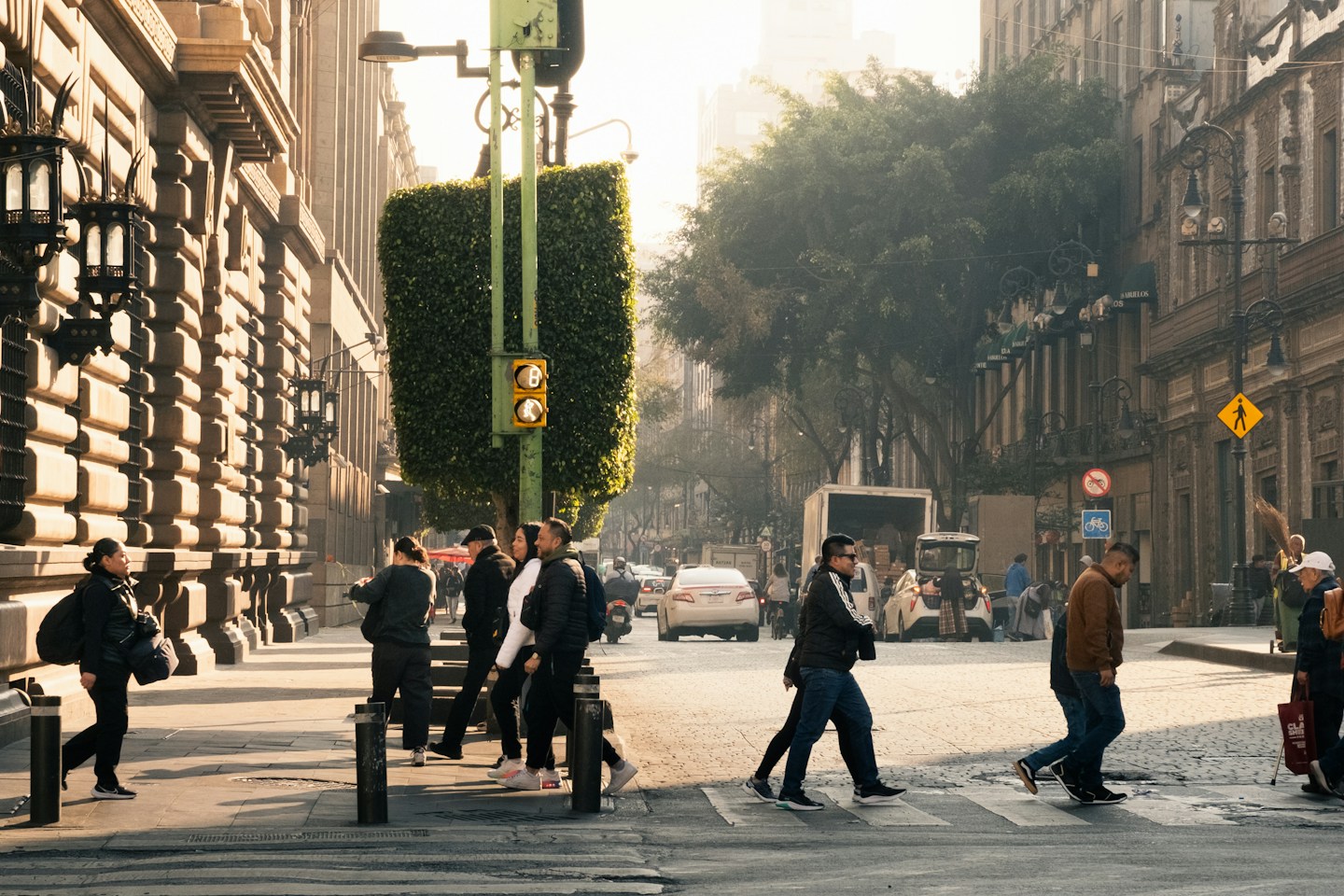
The historic center deserves a focused day. Begin with a broad orientation around its principal public spaces, then choose the institution or building that interests you most. Reading architecture and urban space together helps distinguish a living center from a collection of monuments. The streets contain work, shopping, transport and public life alongside the cultural places visitors have come to see. Leave room to notice that mixture.
One major interior visit may take much longer than its map symbol suggests. Confirm current arrangements with the institution and avoid placing another timed visit across the city immediately afterward. A museum is not just the time spent looking at exhibits: entering, finding facilities and moving through unfamiliar rooms all occupy part of the day. Generous spacing makes it possible to engage with what you see rather than count the minutes remaining.
Plan lunch within the same area. A seated midday meal provides a pause from standing and navigation, while keeping the afternoon connected to the morning's setting. If the weather changes, remaining in the district gives you options without another substantial transfer. A second nearby cultural stop or a short street walk can follow according to energy. The historic center offers sufficient substance without needing a distant neighborhood to validate the day.
Chapultepec needs selection within selection
Chapultepec combines parkland with major cultural institutions, and each can absorb considerable time. Decide whether the day primarily belongs to a collection or to the wider landscape. Both are reasonable choices, but an attempt to treat all the park's possibilities as brief stops can produce a surprisingly tiring route. Examine entrances and walking connections as carefully as the museum itself; the park's name covers more ground than a single point suggests.
For a museum-centered visit, arrive with a subject or group of rooms that especially interests you. A focused plan helps when the collection is large. Leave time for interpretation and allow a break before extending the visit. Companions need not share identical priorities, so agree on a meeting arrangement if some want to stay longer. It is easier to enjoy an institution when no one feels responsible for silently maintaining another person's pace.
Afterward, choose a modest park walk rather than automatically adding another major attraction. Shade, seating and surfaces vary, so let actual comfort guide the route. If rain threatens, make the next indoor option close enough to be useful. A day at Chapultepec can feel rich precisely because you remain in one broad setting, connecting cultural interpretation with the physical space around it instead of spending the afternoon moving to another part of the city.
Coyoacán should keep its own morning
Coyoacán is a distinct southern neighborhood outing, with a walking scale different from the larger journeys needed to reach it. Give the visit an unrushed arrival and time for food rather than using it as an extra stop at the end of a central day. If a particular institution is important, check its ticket requirements and opening arrangements directly before settling the schedule. Popularity does not make spontaneous access predictable.
Once there, choose a small route that includes public streets, a pause and the planned cultural visit. The neighborhood's appeal is not limited to a single doorway. Observe the use of squares and the rhythm around food businesses without assuming every attractive lane welcomes unrestricted exploration. Homes and private courtyards remain private. Staying in public space still leaves plenty to notice, and consideration helps preserve the relaxed atmosphere visitors often seek.
Allow a generous return window. A southern outing and an evening reservation elsewhere can be connected, but the transfer should not depend on ideal traffic. If dinner is important, either place it nearby or leave enough separation to return and rest first. The better visit is the one in which Coyoacán has time to be a place, rather than an appointment continually measured against the next cross-city journey.
Roma and Condesa as everyday walking districts
Roma and Condesa can offer accessible neighborhood walks, cafés and meals, but they should not stand in for the whole metropolis. Their usefulness on a trip lies in a particular scale of experience: looking at streets and buildings, choosing a place to sit and understanding how a small area connects. Visit with that purpose instead of expecting them to summarize Mexico City's history or social variety.
A meal can anchor an afternoon here. Choose somewhere that suits the group's appetite and dietary needs, then keep the surrounding walk flexible. There is no need to visit a succession of cafés simply because each appears on a recommendation list. One pleasant table with time for conversation can create a stronger memory than several brief stops linked by constant navigation. The streets between businesses deserve attention too.
Be thoughtful about photographs, particularly when people or domestic spaces are the subject. Ask before making close images and accept a refusal easily. A residential street does not become a set because visitors admire its buildings. These considerations also apply in markets, where work and shopping take precedence over a camera. Looking with interest is welcome in many settings; assuming access or personal attention is a different matter.
Markets need appetite and awareness
Choose a market because it fits the day's district and your interest in food, not simply because it is another recognized name. Arrive with appetite and enough time to understand the ordering process. Watch briefly, then ask how to proceed if it is unclear. Different stalls may handle seating, payment and service differently. A small amount of observation makes participation more comfortable and avoids interrupting a busy worker with assumptions borrowed from another place.
Ask specific questions about ingredients when necessary. A dish's appearance or translated name may not communicate everything relevant to allergies or dietary preferences. If an answer is unclear, select another option rather than relying on a guess. Keep purchases practical: food that needs storage can complicate a long afternoon away from the room. A smaller order enjoyed in the right setting may be more satisfying than trying to taste everything at once.
Maintain awareness of personal space and belongings without allowing logistics to dominate the encounter. Step away from the flow before checking money or maps, and keep entrances clear. Markets are often most rewarding when you focus on one exchange, one preparation or one ingredient. That concentration produces a specific memory and leaves room for the ordinary business around you to continue without becoming a performance for the visitor.
Build buffers that preserve the experience
Cross-city transfers need realistic margins around timed reservations. Include waiting, the walk from the drop-off point and any entrance procedures, not just a routing application's moving time. Rain can make a short outdoor connection less appealing and a longer journey more uncertain. Grouping each day geographically gives you useful alternatives: stay longer indoors, choose a nearby meal or shorten the final walk without dismantling the entire itinerary.
Use official Mexico City visitor resources for cultural orientation, then verify institutions and transport details directly. A first visit can be deliberately selective: a historic-center day, a Chapultepec day and a southern neighborhood outing, with local evenings around the accommodation. This structure does not claim to encompass the city. It provides enough continuity to begin understanding several places properly, and enough remaining curiosity to make a return meaningful.
For current destination information, access guidance and local updates, visit the official Mexico City travel resource. Check transport and attraction details directly before booking.
This is a general planning guide, not a live conditions report. Found something that needs updating? Send a correction.