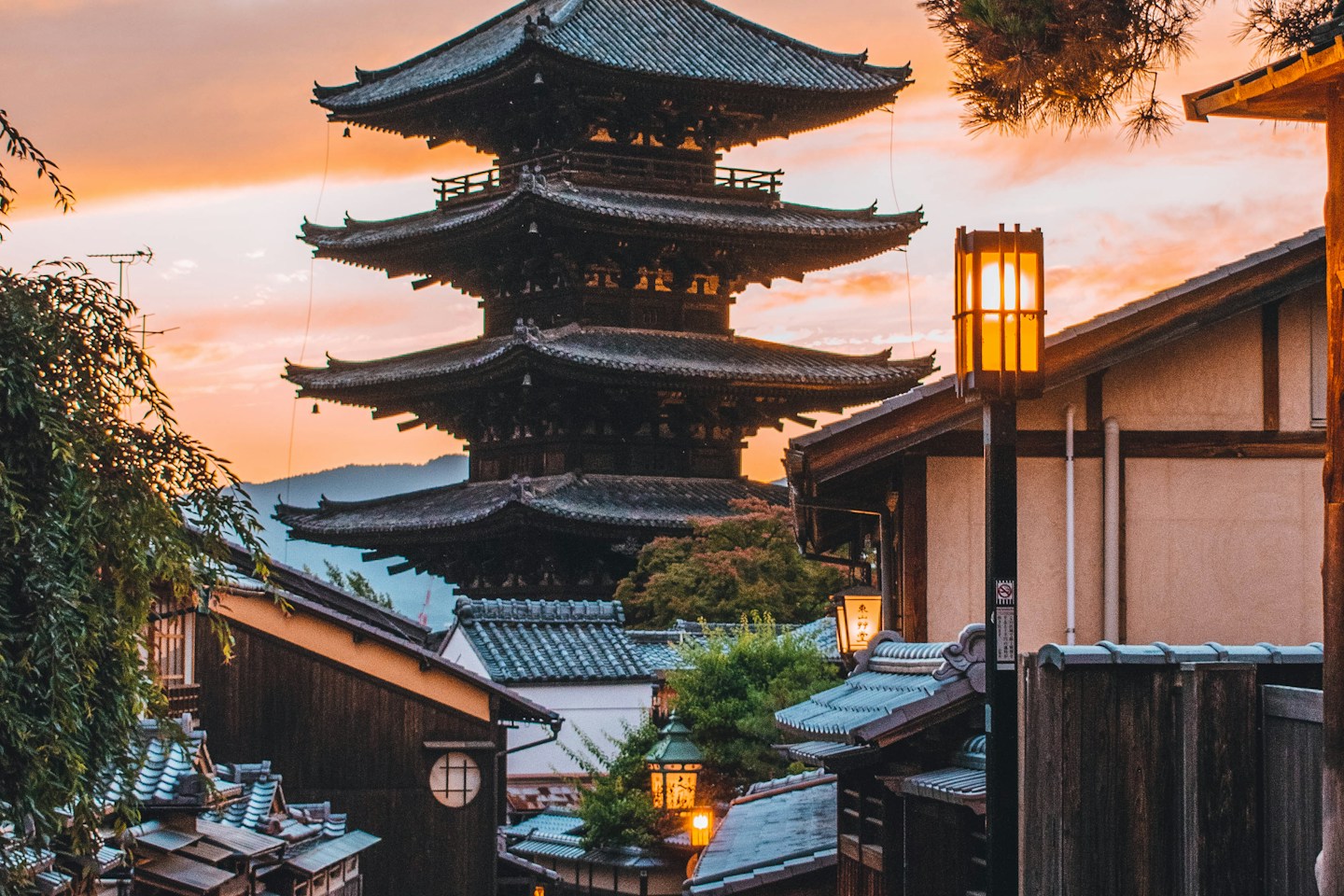
Kyoto, one neighborhood at a time
A quieter Kyoto begins along the Kamo River rather than in a queue. Build a visit around small areas, then let a few important temples give each day its shape.
Different places.
Fresh perspectives.
Your next good story.
A good Dolomites visit starts with a valley, not a list of famous peaks. Choose a stable base and use conditions, ability and transport to decide which walks belong in the plan.
Read the fieldnoteA quieter Kyoto begins along the Kamo River rather than in a queue. Build a visit around small areas, then let a few important temples give each day its shape.
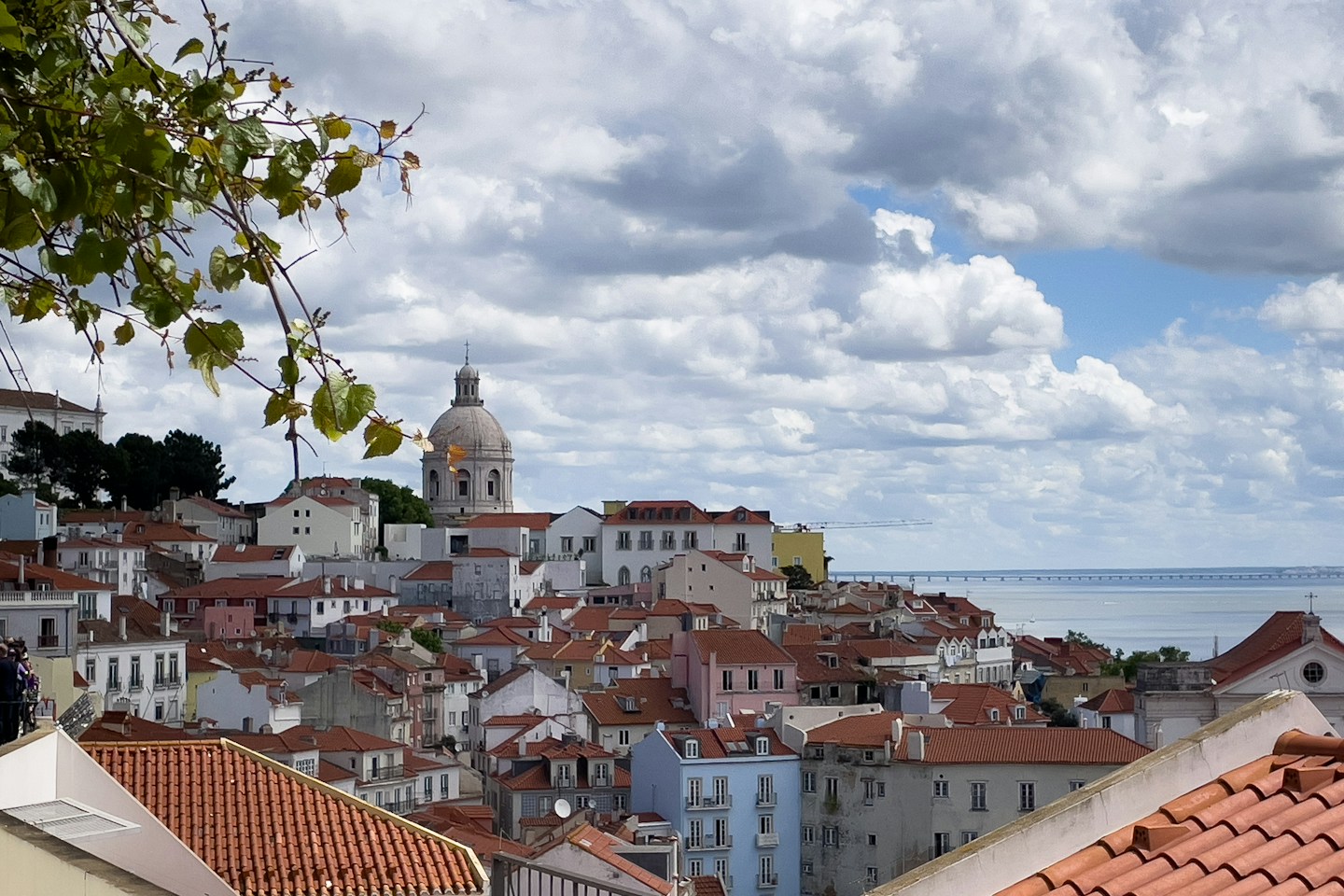
Lisbon makes more sense when you plan around its hills. Pair a waterfront stretch with a single upper neighborhood and leave enough energy for the walk home.
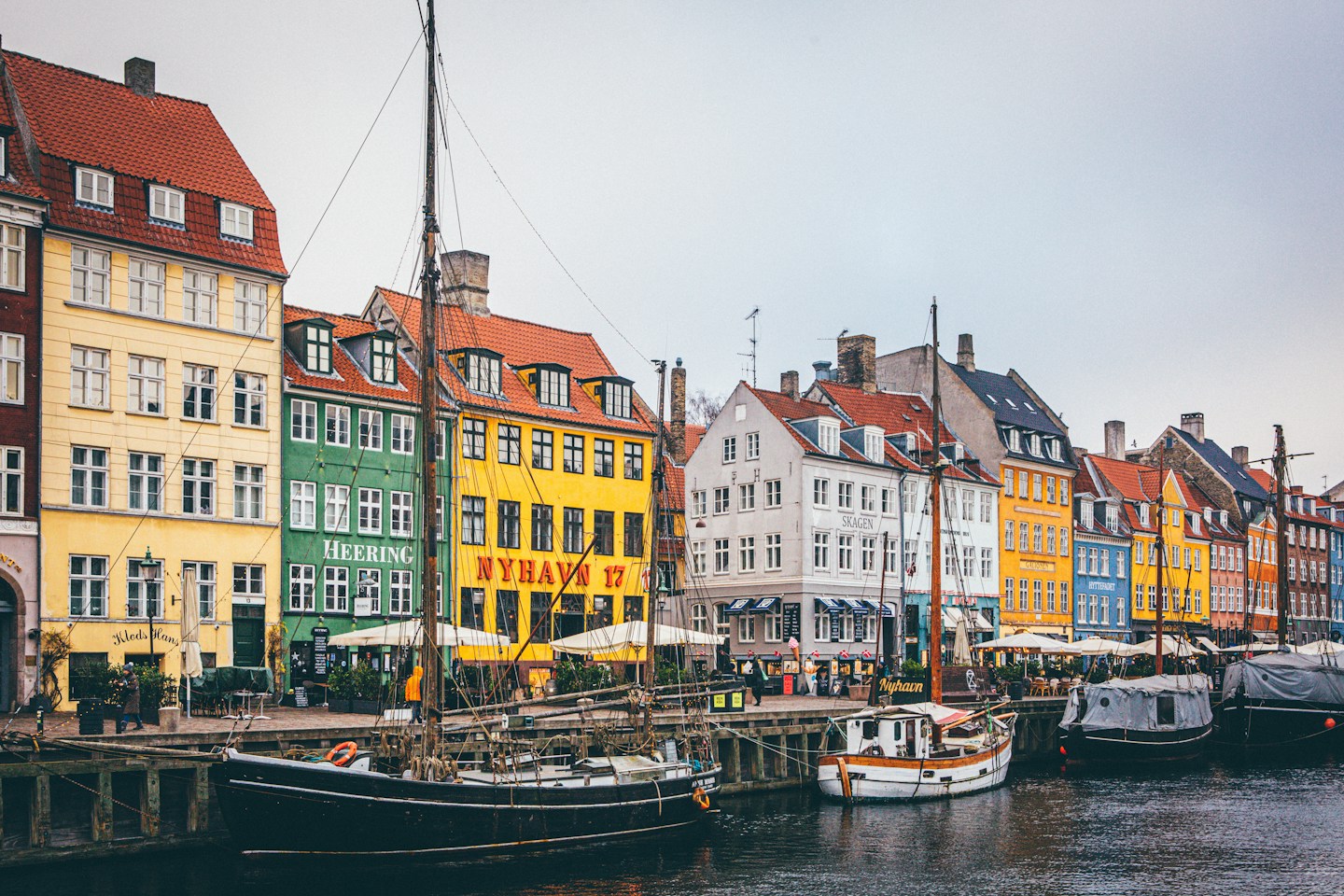
Copenhagen’s waterfront connects quite different kinds of city life. Use it as a thread between old harbor streets, contemporary architecture and unhurried neighborhood meals.
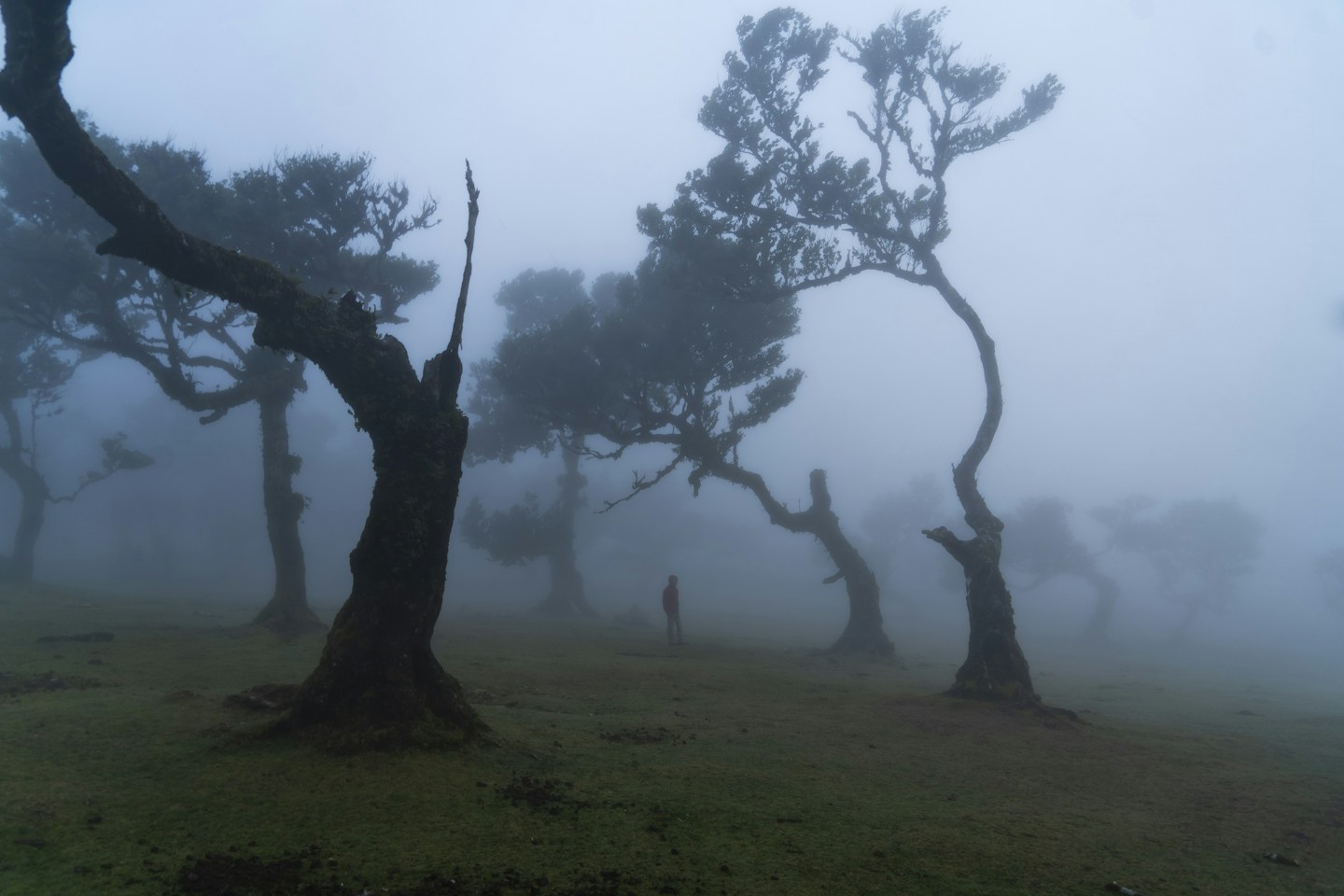
Madeira has dramatic paths, but a rewarding walking holiday need not become an endurance test. Match each route to its exposure, weather and current access status, then leave time for gardens and coastal towns.
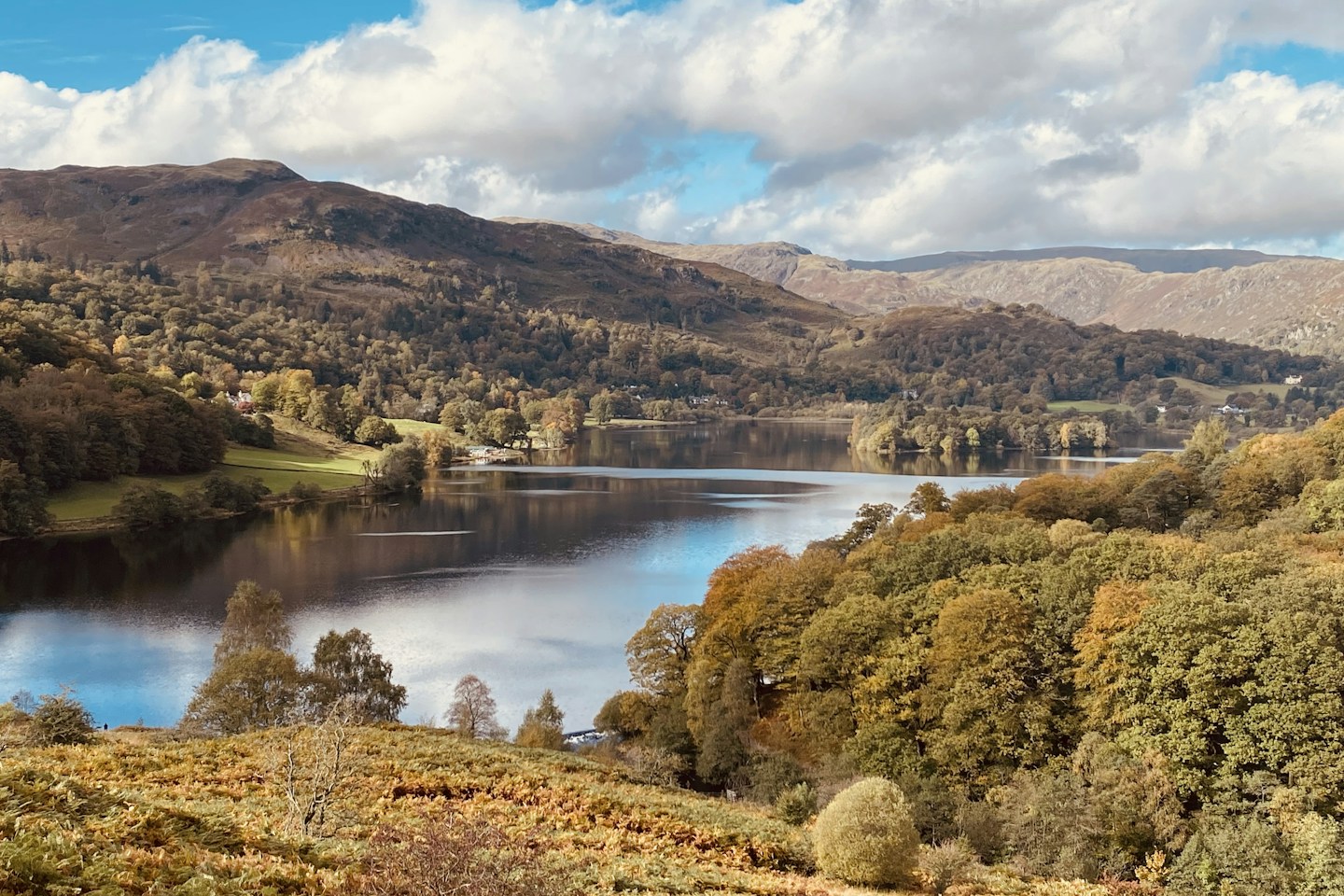
The Lake District works beautifully when a trip has more than one version. Keep a low-level walk, a lakeside outing and an indoor afternoon ready alongside any ambitious fell plans.
Banff is a mountain landscape with tightly managed visitor access. Build a trip around realistic transport and wildlife awareness, then let the lakes be part of a wider valley experience.
South Iceland’s celebrated stops make it tempting to keep driving. A better plan gives each landscape time and accepts that wind, road conditions and daylight can change the route.
Follow the water. Find a harbor. Stay for the light.
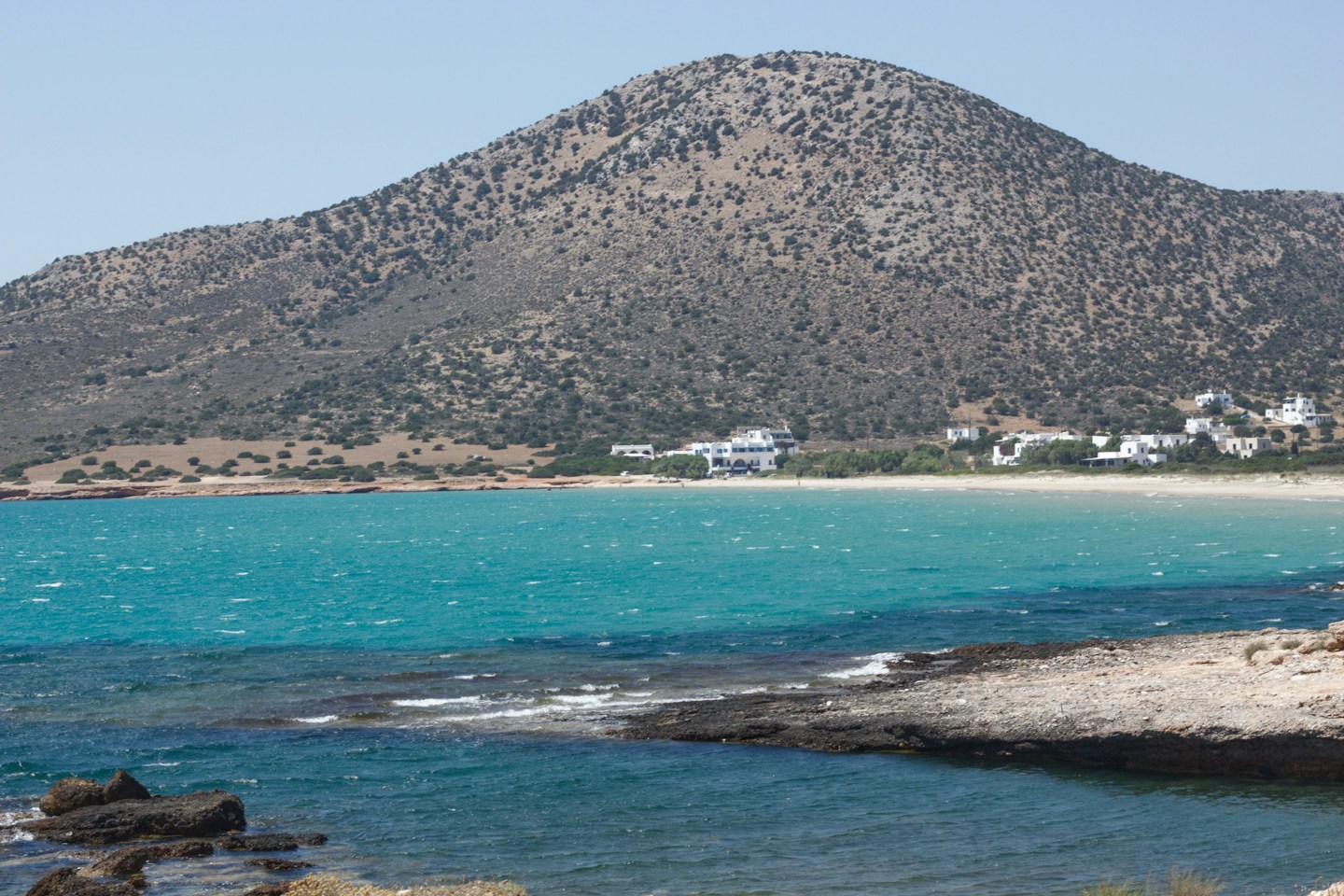
Explore the coastNaxos makes room for two kinds of island day: an easy coastal morning and a slower journey inland. Give both space, and avoid using a ferry arrival as the start of a packed itinerary.
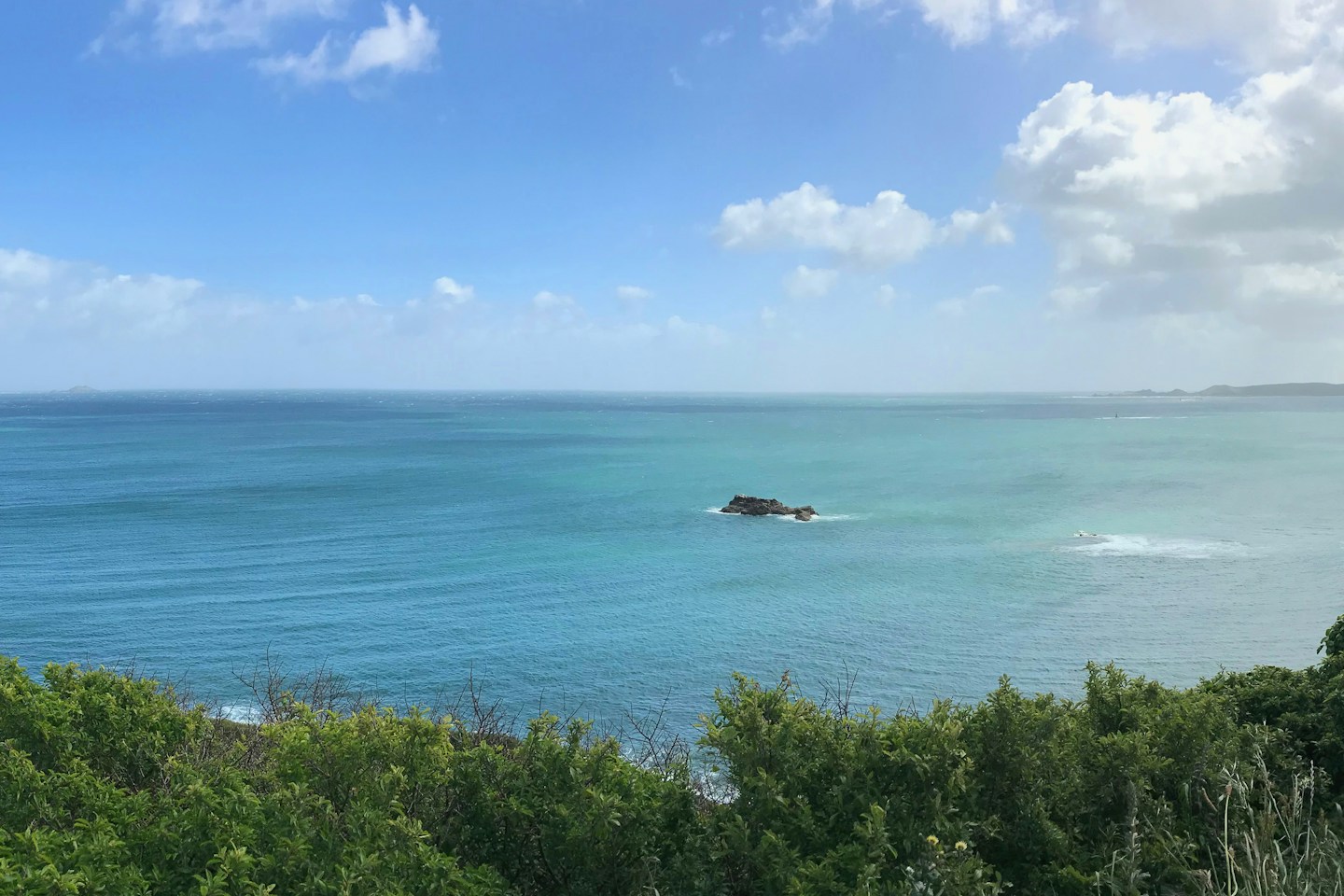
Brittany’s shoreline changes visibly with the tide. Build a coastal trip around a few harbor towns and short marked walks, keeping enough flexibility for wind and changing water levels.
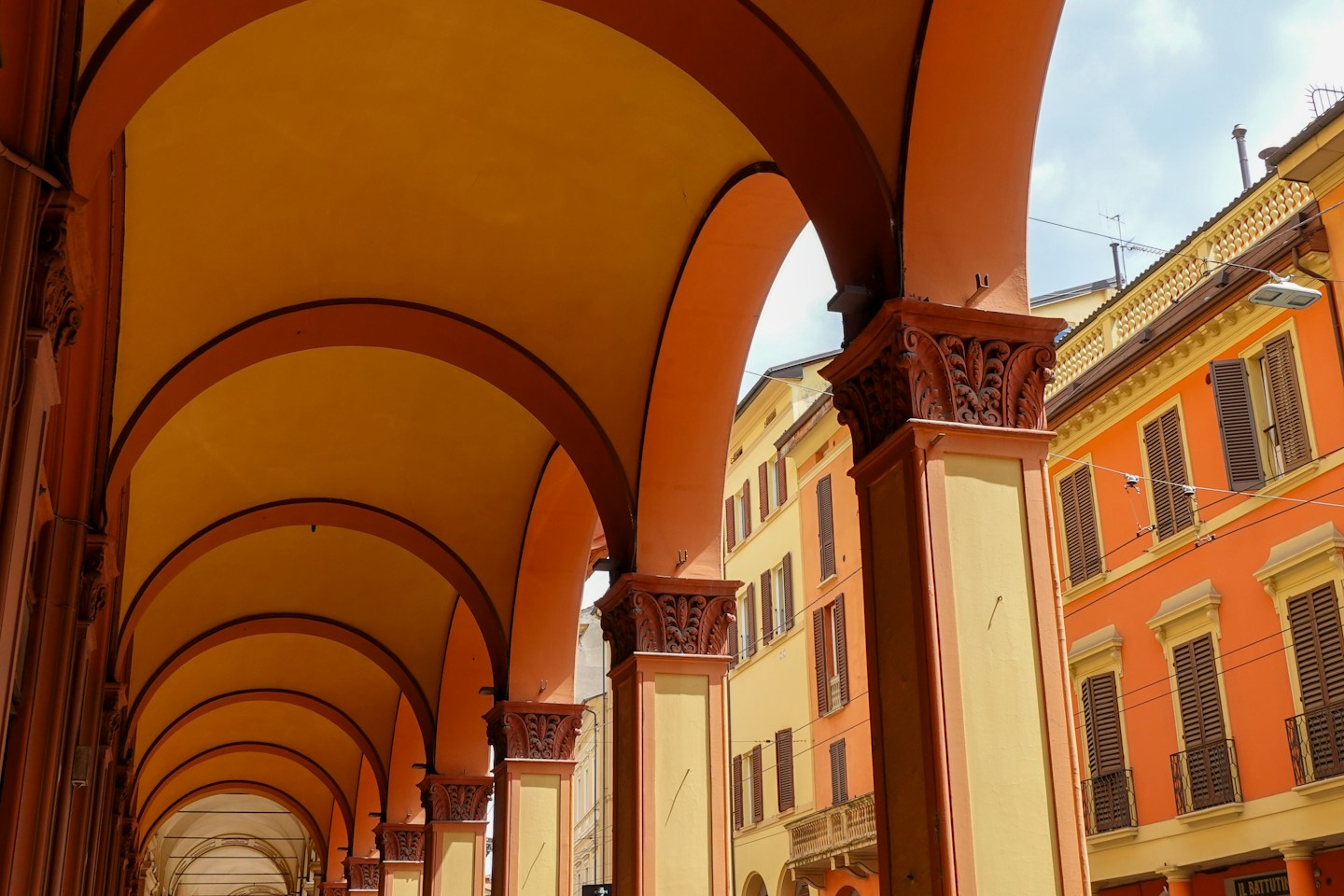
Bologna’s porticoes make a fine framework for a food-centered city break. Plan around a few market streets and cultural stops, then let lunch have the time it deserves.
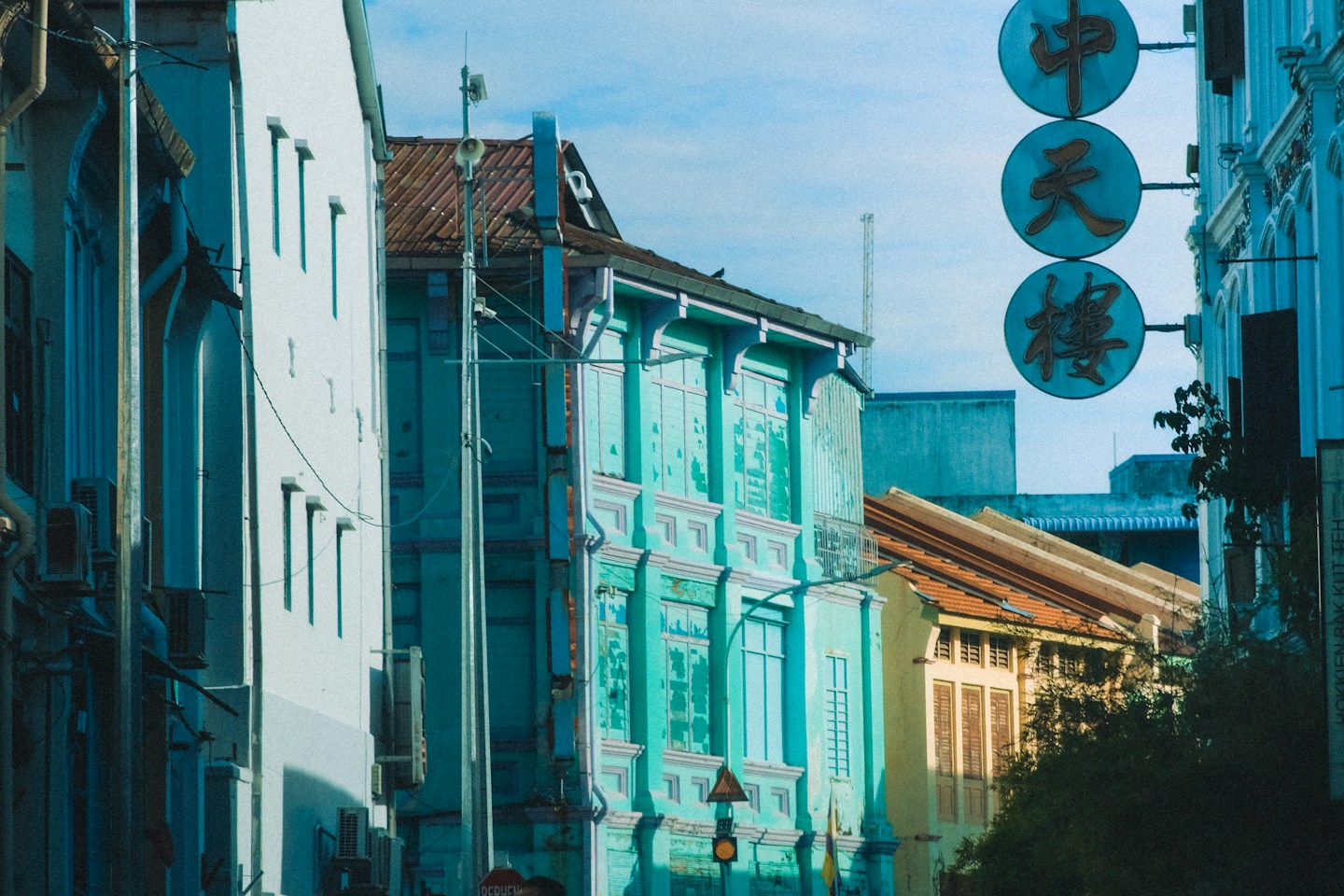
George Town’s food culture is closely tied to its streets, communities and daily working rhythms. Build a visit around small walking areas and a few deliberate meals rather than constant snacking on the move.
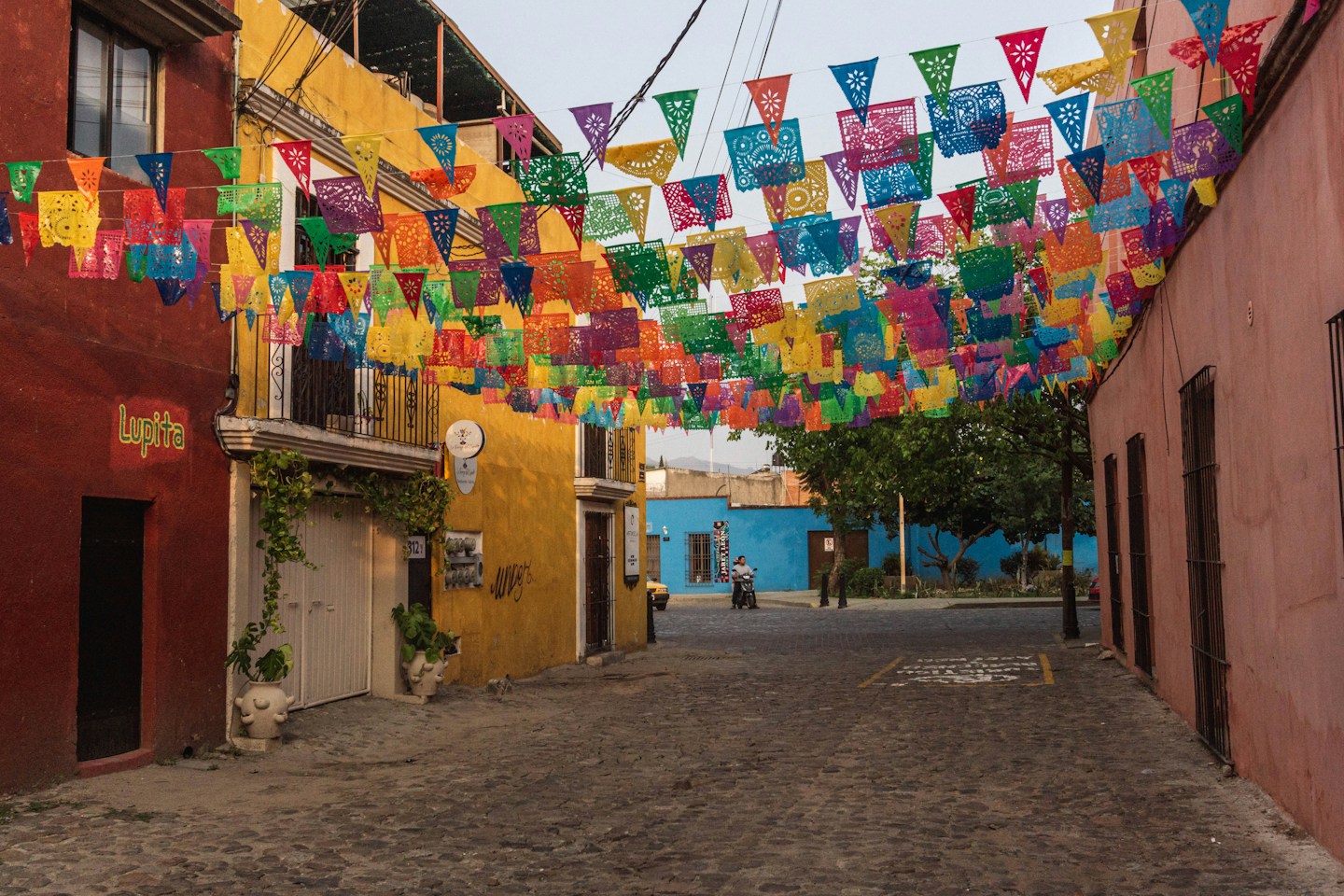
Oaxaca rewards curiosity that extends beyond a plate of food. Pair city markets with cultural collections and community-led workshops, leaving enough time to ask how objects and ingredients are made.
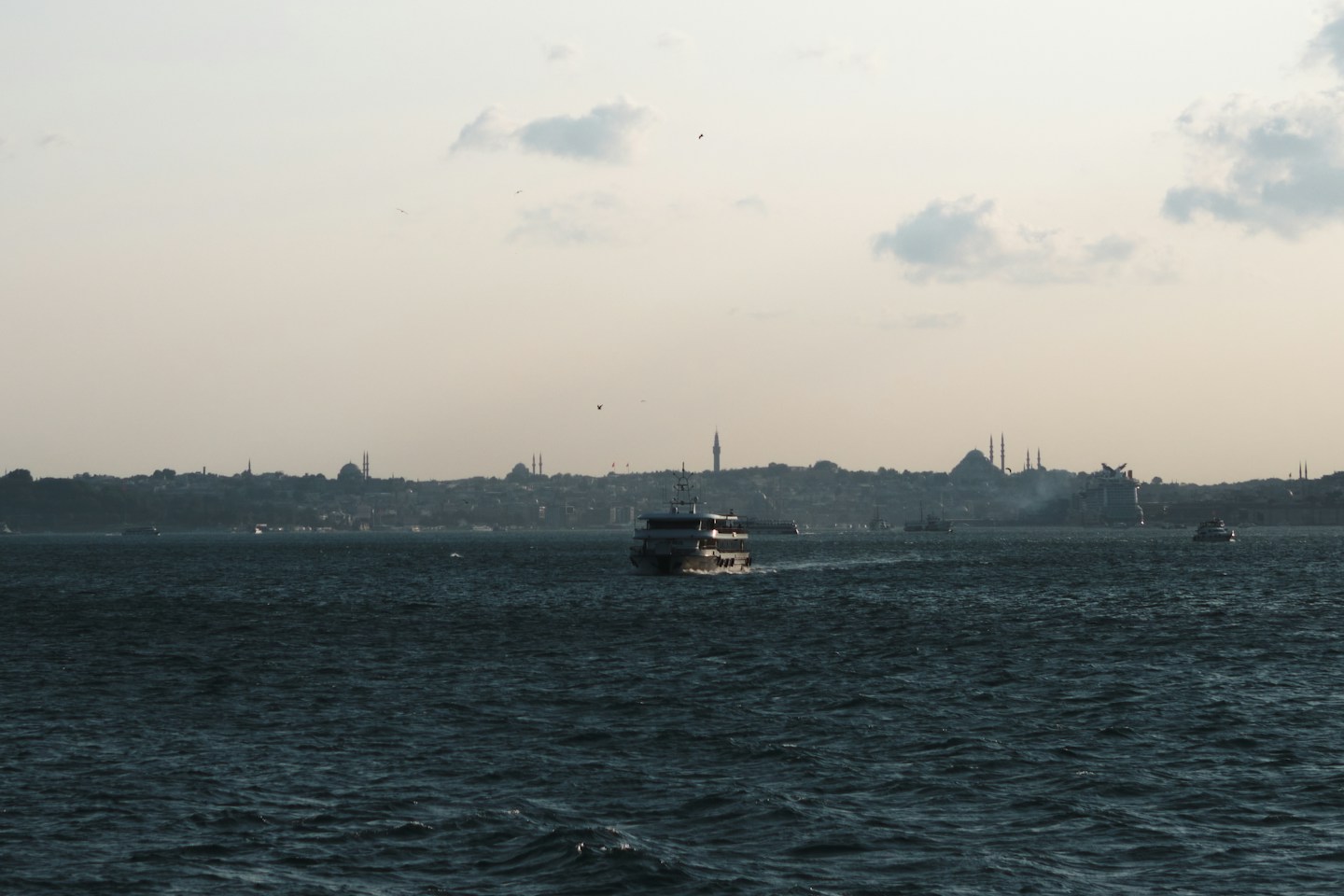
In Istanbul, a ferry can be both a journey and a welcome pause. Organize sightseeing by shore and neighborhood so that crossing the water adds meaning instead of becoming repeated backtracking.