Istanbul across the water: markets, ferries and tea
In Istanbul, a ferry can be both a journey and a welcome pause. Organize sightseeing by shore and neighborhood so that crossing the water adds meaning instead of becoming repeated backtracking.
Inside this story
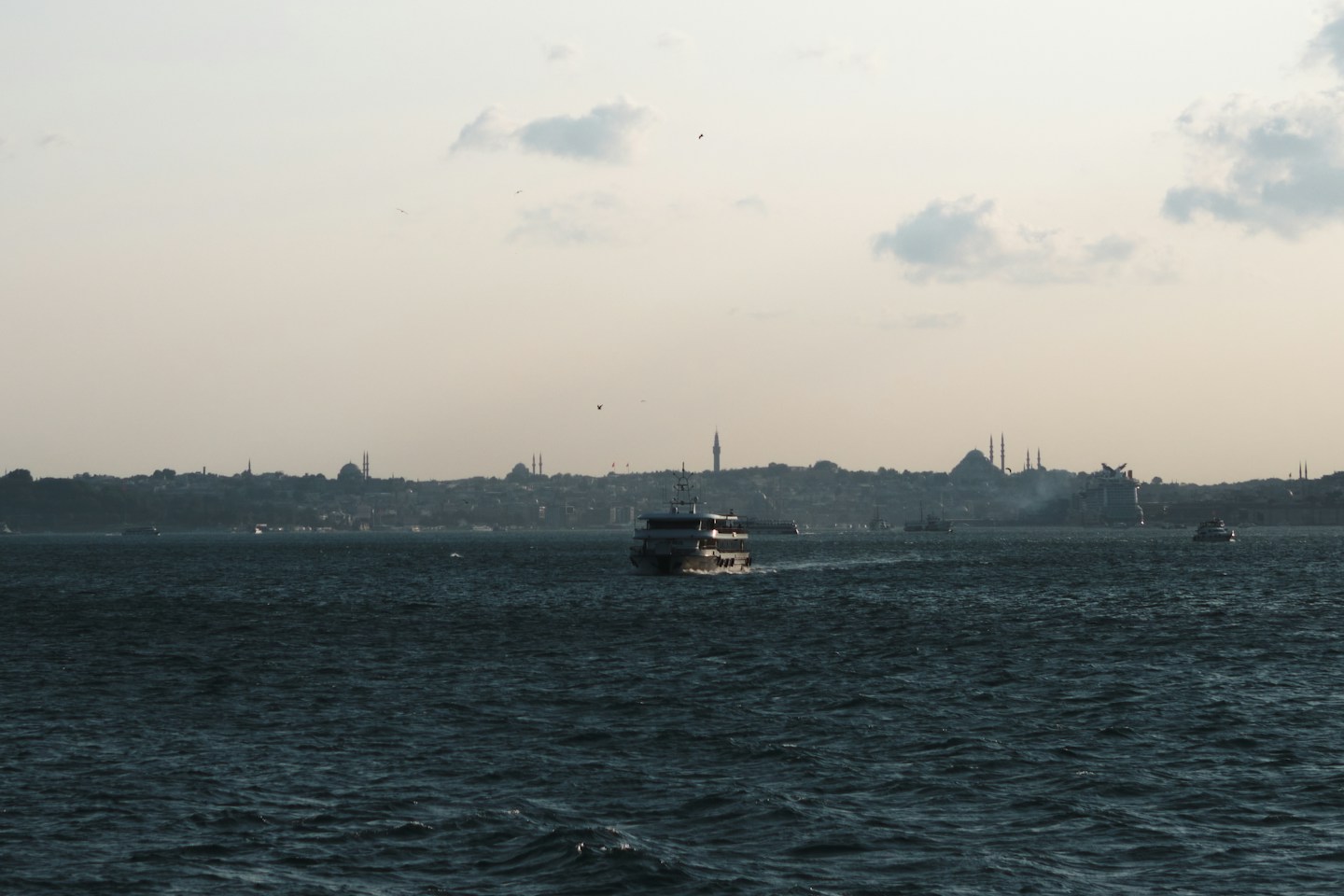
Istanbul is a city in which water makes both a boundary and a connection. The Golden Horn divides parts of the European shore, the Bosphorus separates Europe from Asia, and the Sea of Marmara opens south of the historic peninsula. These are practical facts before they become romantic ones: choosing a landing, a bridge or a neighborhood changes the shape of a day. A ferry can make that geography intelligible while giving tired feet a rest.
Begin by resisting the idea that the city has a single center from which everything radiates. Sultanahmet, the commercial streets around Eminönü, Beyoğlu and Kadıköy each support a different kind of visit. A satisfying itinerary gives them distinct roles. Monumental architecture may fill one morning, everyday food shopping another, while the water connects experiences that would otherwise feel like unrelated names on a map.
- The European and Asian shores each contain neighborhoods worth a focused visit.
- Kadıköy offers a market-centered introduction to the Asian shore.
- A museum or covered-market plan helps when rain changes a long outdoor walk.
Read the shores before choosing a room
Accommodation on the historic peninsula places many major monuments within a relatively small area, but small does not always mean easy. Sloping streets, busy junctions and crowded pavements affect a return walk. Beyoğlu offers a different relationship to the water, with hillside streets above ferry landings and a lively mix of cultural venues and restaurants. Kadıköy provides an Asian-shore base with its own commercial life, but visiting European monuments then requires a deliberate crossing. None of these choices is universally superior; they support different priorities.
Look at the actual entrance of a prospective hotel, then trace a plausible route from a station or ferry landing. A neighborhood name can cover both a convenient transport edge and a considerably higher street. If luggage, stairs or walking endurance matter, ask the accommodation about the full approach. It is better to understand the climb in advance than to discover that an attractive waterfront description refers mainly to the view from an upper floor.
Sultanahmet is a district, not a queue sequence
The great monuments of Sultanahmet can overwhelm a visit before it begins. Their proximity encourages an itinerary that treats each entrance as the next compulsory checkpoint. Yet time inside, security procedures and the need to absorb very different buildings make that approach tiring. Decide which interior matters most, check its current visitor arrangements directly and give the surrounding area an independent role. The open spaces, surviving historic fabric and relationship between major buildings help explain why this part of Istanbul remains so consequential.
A mosque visit belongs to a living religious setting. Dress requirements, worship and instructions at the entrance govern what is possible on the day. Carry clothing that makes respectful entry straightforward, keep voices low and avoid photographing people at prayer. When access is paused, use the interval for a nearby meal or outdoor walk rather than treating worship as an interruption to sightseeing. Returning later can produce a better visit than remaining impatiently at an entrance.
Eminönü and the logic of the market
Around Eminönü, commerce and transport occupy the same urban foreground. People arriving from ferries meet shoppers, delivery movements and visitors moving toward the Spice Bazaar or across the Golden Horn. The interest lies partly in this overlap. A stall selling ingredients, a small food counter and a ferry timetable all belong to the same working geography. Stand aside before consulting a map; the apparent bustle has purposes that do not depend on the visitor.
Food shopping becomes more rewarding when approached with a specific question. Ask what an ingredient is used for, how a packaged product should be stored or whether something can travel safely in luggage. Establish a price before buying, and check import restrictions at your eventual destination before acquiring food to take home. Sampling is enjoyable when offered clearly, but it should not turn a counter into an impromptu tasting party while regular customers wait. A modest purchase understood well can be more memorable than a bag assembled through pressure.
Give the Grand Bazaar a subject
The Grand Bazaar is large enough to reward a purpose. Textiles, jewelry, metalwork and other goods lead to different questions about materials, manufacture and quality. Entering simply to see everything tends to dissolve into corridors and repeated sales invitations. Choose a subject that interests you, allow time to compare a few examples and accept that much of the district will remain unexplored. Its scale is part of its commercial character, not a challenge that a visitor needs to defeat.
Before a serious purchase, separate the object from the story surrounding it. Ask whether an item is new or old, where it was made and which features account for the price. For anything valuable, request clear documentation and understand export requirements rather than relying on a casual assurance. Bargaining should remain courteous, and walking away is a legitimate decision. The market can still be intellectually interesting without a purchase; observing how specialized shops present and discuss their goods reveals a great deal.
A ferry journey with somewhere to go
A crossing is most useful when it has a reason on the far shore. A morning market visit in Kadıköy, for example, can turn a ferry ride into part of a coherent food day. Check the operator, exact departure landing and destination rather than assuming every vessel at a waterfront serves the same route. Public ferries are transport, and an attractive boat or familiar place name does not establish that it is the right departure.
On board, the view gradually explains relationships that are difficult to grasp between buildings. Shorelines separate, minarets and larger structures become orientation points, and the width of the strait becomes tangible. Leave room for commuters to board and disembark, keep luggage out of passageways and follow crew instructions. A return trip in different light may be appealing, but plan it around the onward journey to accommodation. The useful endpoint is a comfortable evening, not a landing far from dinner after energy has gone.
Kadıköy at the scale of an appetite
Kadıköy deserves time beyond the moment of arrival. Its market streets support a food exploration that can stay relatively compact, provided the day is not burdened with a list of famous counters. Begin with a short reconnaissance, noticing which places sell ingredients and which prepare food to eat immediately. Then choose a few things that fit the appetite you actually have. A seated meal and a small sweet can offer a more legible introduction than continuous sampling.
Menus and displays provide starting points for conversation, not proof of ingredients. Travelers with allergies or dietary restrictions should explain them clearly and ask about stocks, fillings, shared preparation surfaces and garnishes where relevant. A dish whose main ingredient seems suitable may still contain something unexpected. If communication is uncertain, choose a place where the question can be resolved comfortably. Taking time over the explanation respects the kitchen and makes the eventual meal more enjoyable for everyone.
Tea, slopes and the space between sights
Tea is particularly useful as a way to inhabit an interval. After an uphill lane or a crowded market, a small glass at a properly situated table can turn recovery into observation. Choose a place where sitting does not require guarding a narrow passage, and understand what is being ordered before accepting extras. The value is less in finding a definitive best tea stop than in recognizing when a pause will improve the rest of the day.
The same principle applies to hillside districts. A map can make two destinations look close while hiding a steep climb or a complicated station exit. Group an upper neighborhood walk separately from a waterfront circuit when that reduces repeated changes of level. If walking capacity varies within a group, discuss the return while everyone is still comfortable. A practical descent and a nearby meal are essential parts of a hill walk, particularly after rain makes smooth paving more demanding.
A meal chosen for its own reasons
A waterside restaurant can be a pleasure, but its setting should not settle every question. Read the menu, confirm how seafood or other items are priced and ask what is included before ordering. A confident invitation from outside the door is not evidence of the kitchen's strengths. Choose the meal you want at a price you understand, then enjoy the location as an additional part of the experience.
Istanbul's food life is too varied to reduce to one signature dinner. Bakeries, modest lunch counters, specialist shops and more formal restaurants reveal different relationships between food and the city. Leave at least one evening close to the chosen base so that eating does not require another major transfer. An ordinary meal after returning from the opposite shore can make the crossing feel complete. It also preserves enough attention to remember the flavors instead of concentrating on how to get home.
When the weather changes the route
Rain alters more than the comfort of an outdoor photograph. It affects paving, ferry-deck appeal and the effort of moving between hills and waterfronts. A museum or covered market can become the day's central subject rather than a hurried shelter. Check access arrangements before setting out, then keep the rest of that day in the same general area. Switching shores repeatedly in search of better conditions is unlikely to make the city feel simpler.
Leave one part of the trip without a distant commitment. That space can accommodate a delayed monument visit, a longer conversation in a shop or a return to a market where an ingredient has become interesting. Istanbul becomes easier to understand through these second encounters. The first crossing reveals the geography; a later crossing connects it with particular streets, tastes and decisions. A visit gains depth when the city begins to have recognizable relationships rather than only celebrated views.
A few practical questions
Is it necessary to stay on both sides of the Bosphorus?
Usually a single well-chosen base is enough for a first visit. Use ferries to explore another shore and spend the saved packing time in neighborhoods. A divided stay makes sense only when each base serves a substantial part of the trip.
How should a first ferry ride be planned?
Choose a destination with something you want to do, confirm the departure landing and service, and identify the onward route before boarding. Keep the return flexible enough to enjoy the neighborhood without jeopardizing the final connection.
For current destination information, access guidance and local updates, visit the official Istanbul travel resource. Check transport and attraction details directly before booking.
This is a general planning guide, not a live conditions report. Found something that needs updating? Send a correction.