George Town, one meal and one street at a time
George Town’s food culture is closely tied to its streets, communities and daily working rhythms. Build a visit around small walking areas and a few deliberate meals rather than constant snacking on the move.
Inside this story
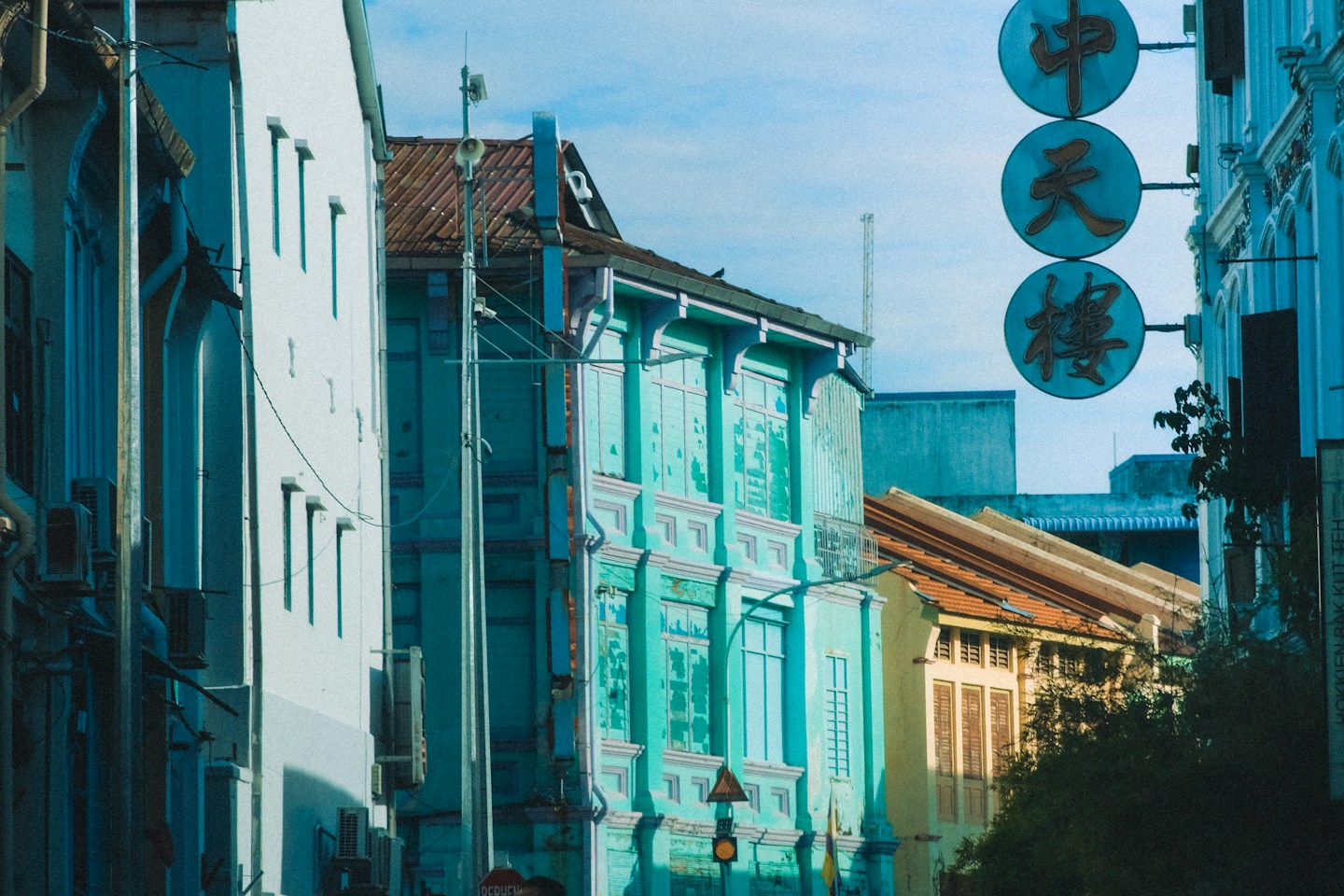
George Town is an excellent place to discover the limits of a food checklist. There are more appealing dishes than a visitor can comfortably eat, and their significance becomes clearer when meals are connected with streets, communities and daily routines. Choose a small walking area, one substantial meal and a cultural stop, then leave room for heat and unexpected conversation. Hawker centers, religious spaces, shophouses and the waterfront do not need to be treated as separate categories. Together they show how the city is lived in. The aim is to give a few encounters enough attention that the food remains particular, rather than becoming a succession of remembered names without a setting.
- George Town contains living religious spaces alongside shops and visitor attractions.
- Clan jetties include residential areas where privacy matters.
- A coastal or hill outing should be planned separately from a full historic-center day.
Begin with the street you will return to
Choose accommodation that makes ordinary mornings and evenings manageable. The historic center can support short walking days, but the exact location matters: look at the route to food, useful transport and the places you expect to visit. Ask about luggage access and the property itself rather than assuming that a heritage appearance guarantees a convenient stay. Noise, stairs and the final distance from a vehicle drop-off can matter as much as the building's exterior.
Start with a modest orientation circuit. Learn a few clear reference points and identify somewhere comfortable to pause when the heat becomes tiring. Do not use the arrival afternoon to test how many food stops can be fitted around checking in. A proper meal and a short walk create a better foundation. Returning to the same street later helps reveal the city's rhythms: a stall may be preparing to open while a neighboring business is closing. Such changes are useful observations, not evidence that the itinerary has failed. George Town is easier to enjoy when its working schedule is allowed to differ from the visitor's appetite and saved map.
Learn the hawker arrangement before ordering
A hawker center brings several businesses into a shared setting, but it does not guarantee one uniform ordering system. Watch briefly, then ask where to order, whether food will be brought to the table and how payment works. Drinks and dishes may be handled separately. Keep small purchases organized and do not assume a payment method accepted by one stall applies to the next. A polite question prevents confusion more effectively than copying only part of another customer's routine.
Choose enough food to eat comfortably. A group can sometimes share several dishes, but confirm what works for the stall and available seating. Avoid occupying extra tables with bags while others need space. Ask before photographing a cook closely and remain out of the working path. Waiting is part of food prepared to order; it should not become pressure to hurry someone for the sake of your itinerary. If a specific stall is important, check its own schedule rather than relying on the opening pattern of the whole center. The rewarding encounter is a functioning meal, with attention to how the place operates, rather than a photograph collected while everyone is uncertain about what happens next.
Choose a few dishes and understand the differences
Penang's official street-food guide lists a broad range of preparations, including char koay teow, Penang assam laksa, roti canai and nasi kandar. Use the range as a beginning for questions rather than an instruction to sample everything: mypenang.gov.my. A stir-fried noodle dish, a soup and a rice meal offer different kinds of experience, and they need not all occupy the same afternoon.
Ask what a particular kitchen includes and how its version is prepared. Regional dishes emerge from overlapping traditions, but that does not make individual establishments interchangeable. Nor should one meal be expected to represent an entire community. Avoid ranking everything against a reputation before allowing yourself to taste it on its own terms. If a dish is unfamiliar, ask how it is normally eaten and whether an accompaniment belongs with it. Food curiosity works best when it remains patient and practical. One attentive lunch can teach more than several rapid tastes whose ingredients and preparation are already blurred together by the time you reach the next street.
Put ingredients ahead of bravado
An unfamiliar food environment is not improved by pretending to understand every ingredient. Explain allergies and dietary restrictions clearly, and use a carefully prepared card when language differences could create uncertainty. Ask about sauces, stocks and shared cooking surfaces rather than concentrating only on the most visible component. A dish that appears vegetarian or free of a particular allergen may require further discussion; do not infer suitability from its name or photograph.
Give vendors an honest opportunity to say that they cannot meet the requirement. If understanding remains uncertain, choose a different meal rather than make the interaction a negotiation over risk. The same practical attitude helps travelers who simply dislike an ingredient: ask courteously without treating a regional preference as a defect. There is no need to try the spiciest or least familiar option to demonstrate adventurousness. Enjoyment and understanding are better goals. A food-focused holiday becomes sustainable when meals suit the people eating them, leaving appetite and energy for the following day instead of producing an escalating sequence of challenges with little connection to the city's actual culinary life.
Visit religious spaces as living places
George Town's religious buildings contribute strongly to its streetscape, but their purpose is not primarily to provide visitor interiors. Check access and dress expectations for each place, and observe whether worship or another activity makes a visit inappropriate. Remove shoes or follow other instructions where required. A welcomed entry into one building does not establish the rules for every other building encountered that day.
Choose a manageable number of visits and allow time to read interpretation. Notice how these spaces relate to surrounding shops, homes and movement rather than reducing them to a collection of different faiths for a checklist. Ask before photographing people, especially during prayer or private ritual. If access is limited, an exterior observation from a public place can still contribute to understanding the street. Pair the visit with a nearby meal and a shaded break so the afternoon remains coherent. The cultural landscape becomes more meaningful when you see it as active and specific, with people deciding how it is used, rather than as a permanent display available under identical conditions to every passerby.
Keep the clan jetties residential
The clan jetties add a waterfront dimension to the city, but their public visibility should not obscure their residential character. Official heritage material describes wooden houses built on stilts over the water. That form is visually distinctive, yet it is also a setting for ordinary home life. Check current visitor access, follow signs and stay within the areas where guests are welcome. Do not enter a side passage or point a camera into a house because it offers a compelling composition.
Move quietly, leave room on narrow passages and avoid turning a doorway into a group portrait background. A brief visit with good interpretation may provide more understanding than prolonged wandering in search of increasingly private details. The same courtesy applies elsewhere in the historic center, especially where street art draws crowds beside active shops. Stand where you can look without blocking business and resist the assumption that a mural gives priority to the photographer. The strongest urban visit allows people to continue using their own spaces. You leave with a sense of how the waterfront and streets are inhabited, not only how they can be framed.
Use a museum to connect the meals
A collection or guided heritage visit can supply context that several food stops cannot. Choose a subject that interests you, then allow enough time to understand it rather than visiting only because an interior provides air conditioning. Historical commerce, domestic life, architecture or community organizations can each illuminate something already noticed outside. Check current visitor arrangements, especially when the place uses a managed entry or guided format.
An indoor visit also creates a sensible midday rhythm during tropical heat. Follow it with a seated meal or rest rather than another exposed walking circuit undertaken solely to keep moving. Carry water, choose shade and shorten the outdoor section when the group needs it. A compact map does not remove the cumulative effect of hot pavements, road crossings and repeated stops. The city is rewarding enough at small scale that there is little need to cover every heritage street in one day. Let the museum deepen a few observations, then return to the street with questions you can actually hold in mind.
Give the rest of Penang a separate day
A hill or coastal outing belongs in its own plan, with transport, conditions and time at the destination properly included. Do not append it casually after a full George Town morning simply because it lies within the same island destination. Decide what draws you there and whether the complete journey fits the available time. A shorter stay may be better spent within the city than moving elsewhere only long enough to turn around.
Use mypenang.gov.my for official orientation and confirm particular stalls, collections and transport with current sources. Keep the final morning close to the departure route and avoid building it around a meal whose timing is uncertain. By then, the useful discoveries should be personal and precise: a cooking arrangement you understand, a street you can navigate, a cultural space whose purpose is clearer and a dish you would willingly eat again. That is a stronger outcome than a completed list of supposed essentials. George Town's abundance becomes enjoyable when it is allowed to exceed the visit, leaving attention for the places and meals that actually fit.
A few practical questions
Do all stalls in a hawker center operate alike?
No. Ask about ordering, payment and service at the specific stall. Opening patterns and accepted payment methods can also differ within one center.
How can a short food visit remain balanced?
Build each day around a deliberate meal, one walking area and a cultural interest. Include shade and rest, with larger island excursions on separate days.
For current destination information, access guidance and local updates, visit the official Penang travel resource. Check transport and attraction details directly before booking.
This is a general planning guide, not a live conditions report. Found something that needs updating? Send a correction.