Lofoten at sea level: harbors, beaches and short walks
Lofoten does not require a summit every day. Harbors, shorelines and short walks reveal the islands’ scale, while a measured driving plan leaves room for rapidly changing weather.
Inside this story
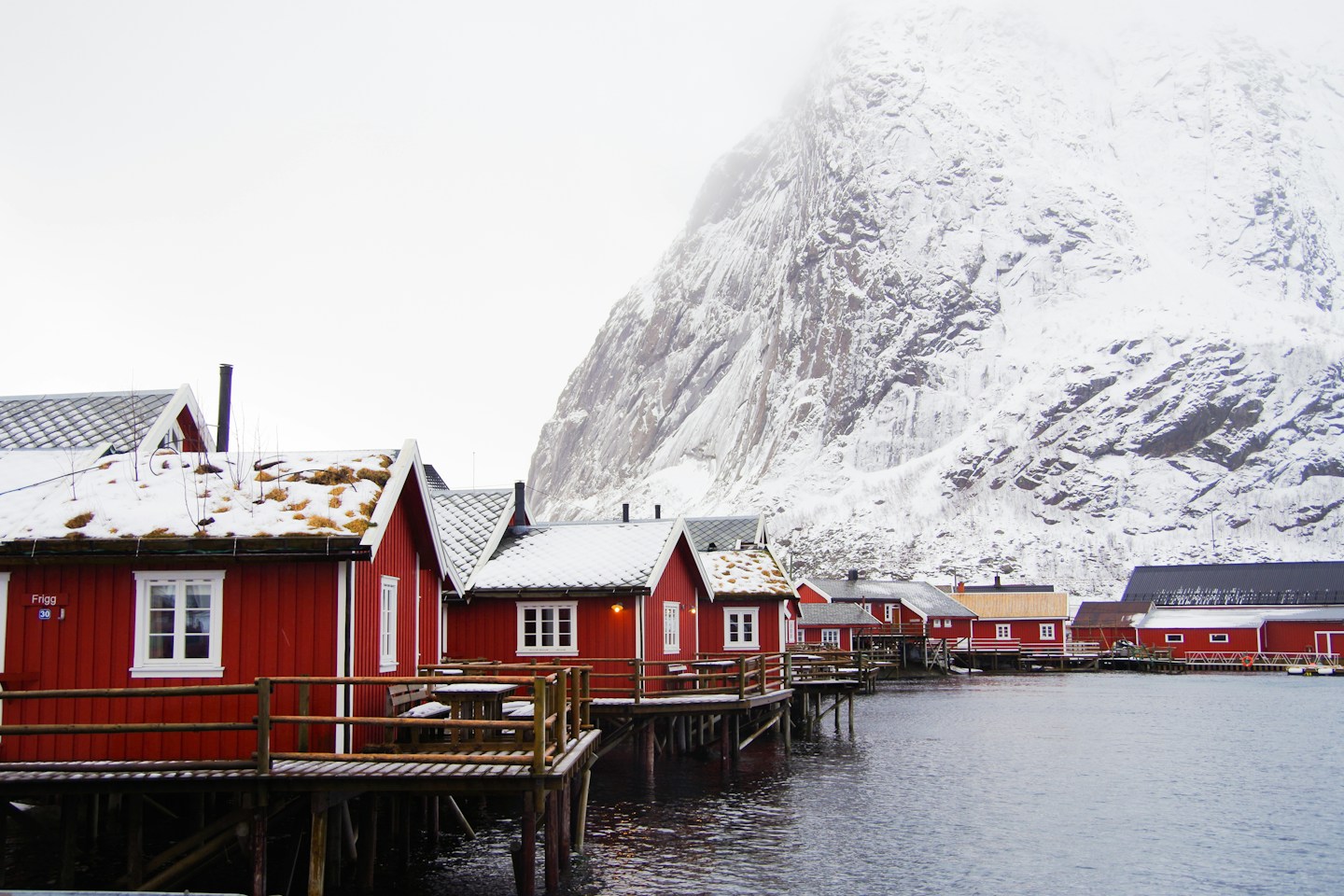
Lofoten's familiar photographs place red buildings beneath steep mountains, but they often leave out the people and systems that keep the harbors working. A visit at sea level brings those elements back into view. Reine can be understood through its streets, fishing activity and relationship with surrounding water without making a mountain ascent the condition of a successful day. Elsewhere in the island chain, museums and short shoreline walks offer other ways to read the same landscape. Begin with a manageable geographical area, then let weather and seasonal daylight determine the scale of individual outings. The islands become more specific when you stop measuring every day by height gained.
- The island chain stretches far enough that a single base cannot make every outing short.
- Beach scenery does not imply warm or safe swimming conditions.
- A quiet harbor walk can be a satisfying alternative to a crowded viewpoint.
Put the first and last nights on the same map
Lofoten stretches far enough that a single base cannot make every outing short. Mark your arrival point, departure point and principal interests before choosing accommodation. A room convenient for Reine creates a different daily geography from one farther along the chain. Compare actual road journeys rather than assuming that a shared regional name means effortless access. A longer trip may justify two bases; a short one often benefits from accepting that some places will remain for another visit.
Ask what is close enough for an ordinary evening. A waterfront cabin may offer a memorable setting while requiring a drive for food, and repeated late journeys can become tiring in poor weather. Understand parking and the final approach with luggage, particularly in a small settlement. Keep the departure day's distances conservative when a flight, ferry or other fixed connection matters. The accommodation decision should create space for the islands, not generate constant movement between them. A comfortable local walk and an easily reached meal are valuable qualities when cloud lowers, wind rises or the group simply needs a quieter day.
Walk Reine as an occupied village
Reine's mountain setting can make the settlement itself seem like a foreground arranged for visitors. It is an active community, with narrow streets, work and private homes. Use designated public parking and walk from there rather than pursuing the closest possible roadside position for each view. Keep entrances and working areas clear, and do not assume that a picturesque waterfront platform is public merely because it appears in photographs.
The local destination guidance makes a particularly useful point about stockfish: it is food and should not be touched. That reminder connects one of the landscape's recognizable features with the economy that produces it. Read the community advice before exploring: visitlofoten.com. Allow time to observe from appropriate places rather than moving continuously between camera positions. In darker conditions, make yourself visible to road users and remain alert to traffic. A village walk becomes richer when you notice practical relationships: where boats meet land, where equipment is stored and how people move through a very constrained setting. The mountains remain spectacular, but they no longer erase the community beneath them.
Follow the fish into the story
Fishing gives the islands a historical and contemporary framework that a scenic drive alone cannot supply. A local museum or guided interpretation can explain equipment, work and preservation, helping make sense of the harbor structures seen elsewhere. Choose a collection whose subject genuinely interests you and check its current visitor arrangements. It can provide the center of an unsettled-weather day rather than being added hurriedly at closing time.
Regional food interpretation distinguishes fresh fish traditions from preserved products and connects them with wider trade. Ask how a particular preparation is made instead of assuming that every fish dish represents the same process. A restaurant meal can then become an extension of learning rather than a separate pursuit of a local specialty. Visit Lofoten's account is a useful introduction: visitlofoten.com. Do not expect the modern working coast to perform a fixed historical image for you. Contemporary equipment, vehicles and buildings belong to its life as much as traditional forms do. The combination of a collection, a harbor walk and a meal can provide a remarkably complete day without requiring a strenuous route or a long drive.
Choose short walks by terrain, not altitude
A modest mountain elevation does not imply an easy path. Routes can be steep, exposed or unsuitable under current conditions, and a celebrated photograph says little about the ground needed to reach it. Consult specific route information and local guidance, then choose for the least confident walker. A sea-level alternative should be a positive option with its own interest, not an unconsidered fallback after an unsuitable ascent has begun.
Short shoreline walks also require assessment. Look at the surface, access, wind exposure and the return route. Avoid stepping onto private ground or following an informal line simply because it leads toward a view. Carry suitable clothing and turn around early enough that worsening conditions do not turn a modest outing into a difficult return. On a mixed-interest trip, one demanding excursion can be separated from shared easier days, provided the independent plans are complete and the meeting arrangements clear. Nobody needs to climb in order to appreciate the scale of the islands. Their abrupt relationship between water, settlement and mountain is often most legible from below, where all three remain visible together.
Do not confuse pale sand with a swimming promise
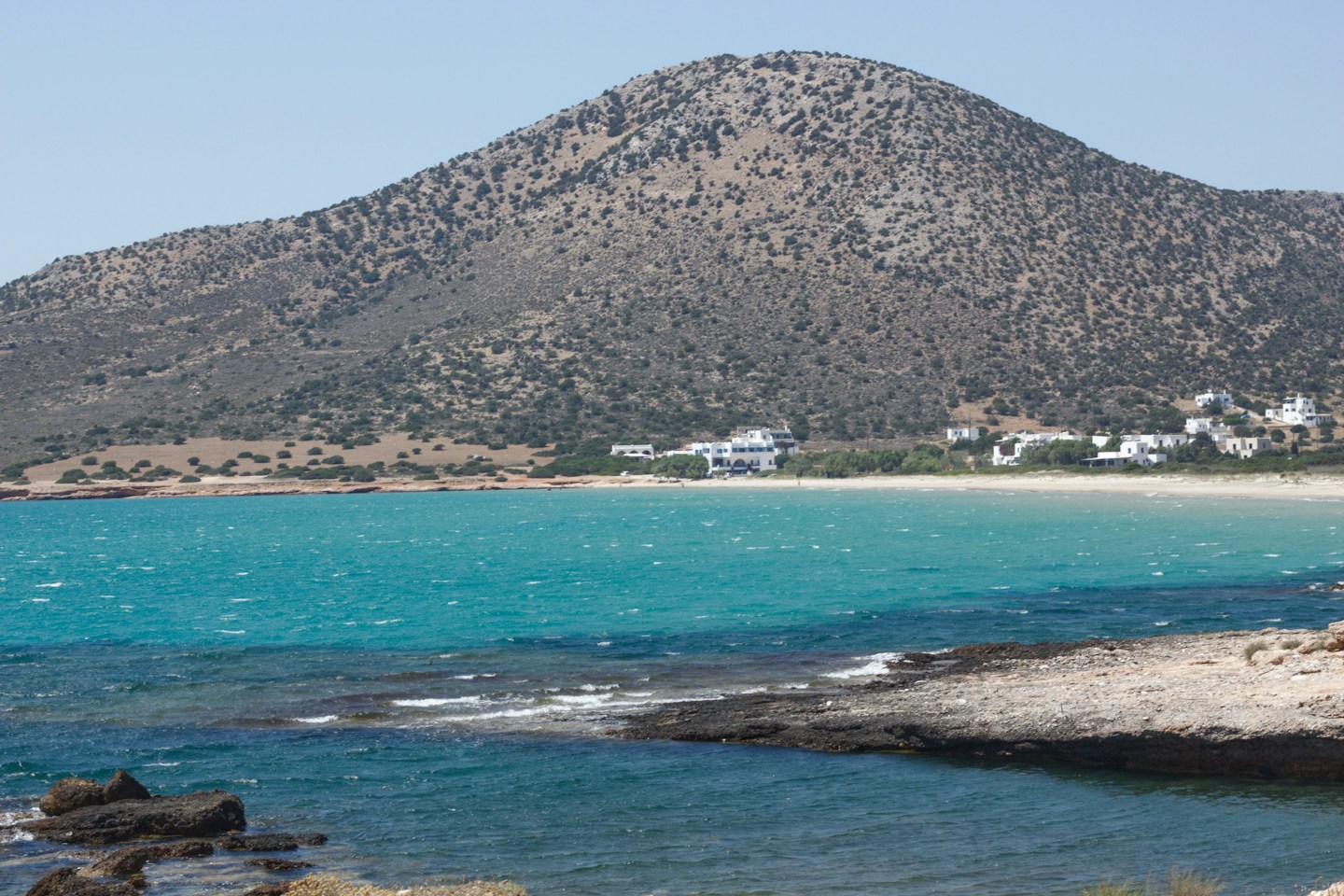
Lofoten's beaches can appear almost tropical in bright light. That visual resemblance says nothing reliable about water temperature, surf or the suitability of swimming. Follow local advice and assess conditions at the place itself. A shore outing can focus on walking, looking and resting without needing an entry into the water. Children should be supervised with the actual setting in mind, rather than the reassuring appearance of a photograph.
Use established access and proper facilities. Carry supplies when services are limited and remove every item of waste. Sensitive vegetation near the shore should not become a shortcut around other visitors. If parking is unavailable, choose another approved destination rather than improvising a stop that obstructs traffic. Give the beach enough time to change under the sky: a passing shower, a gap in cloud or the direction of light can transform its relationship with the surrounding peaks. The attraction is not only a specific color of sand or water. It is the meeting of weather, land and sea, which remains interesting even when the conditions differ from the image that first drew you here.
Make the road less busy in your own itinerary
Narrow roads and constrained parking make patience essential. Use designated stopping places, keep attention on traffic and avoid braking or pulling over abruptly for a view. If you miss a legal stop, continue until a safe option appears. A passenger can help with navigation, but the driver's concentration should not be divided between bends and photographic requests. Leave generous time so that slow traffic does not create pressure to make up distance.
Cluster outings within a modest area rather than driving the length of the chain repeatedly. It is often more rewarding to spend a longer period in one harbor and a nearby collection than visit several settlements only long enough to park. Include toilets and food in the route; remote scenery is not an excuse to improvise facilities. Keep supplies accessible and plan a proper pause before fatigue appears. The road is part of the landscape, but it is also infrastructure used by people with work to do. Traveling considerately improves the experience for residents and for your own group, which can arrive with enough energy to look around rather than immediately prepare to leave.
Give seasonal daylight practical consequences
The season changes more than the length of a photography window. Long light can encourage days that continue beyond a sensible level of tiredness, while short daylight concentrates walking and driving into fewer useful hours. Build meals, rest and departures around the actual conditions of the visit. The fact that it is still bright does not mean the driver is still alert, and darkness does not make a public road a suitable sky-viewing location.
Weather can also alter boat excursions and road plans. Ask operators about changes and suitability before committing the rest of the day around a departure. Do not replace a canceled marine activity with an unassessed mountain walk simply to preserve a sense of adventure. A museum, a town meal or a shorter sheltered outing may be more appropriate under the same conditions. Keep enough flexibility that the best weather can be used for the most suitable outdoor interest rather than the next fixed item in a sequence. Seasonal rhythm becomes part of the attraction when it guides the plan instead of continually conflicting with it.
Leave with a place you recognize
A final local walk can be more meaningful than an additional distant destination. By then, the harbor may contain recognizable details: a building's relation to the water, a working area you know to avoid or a viewpoint whose mountains have appeared and disappeared through the stay. Recognition is the benefit of remaining within one part of Lofoten long enough to return.
Begin regional planning with visitlofoten.com and confirm individual routes, transport and visitor arrangements from current responsible sources. Leave the last evening uncomplicated if the next morning has a substantial transfer. The islands do not need to deliver a summit, a perfect beach and a clear sky every day to justify the journey. A fishing collection can change the way you see a harbor; a shore walk can reveal the scale of a mountain more clearly than an ascent; a familiar village can become moving through changes in light alone. Lofoten at sea level offers a full experience because it restores the relationships that a sequence of isolated viewpoints can easily conceal.
A few practical questions
Must Reine include a mountain ascent?
No. A respectful village walk, harbor observation and regional interpretation offer a substantial experience. Any mountain route requires its own current assessment.
How far should a short Lofoten itinerary range?
Concentrate on the area around the chosen base and essential transport points. Fewer long drives leave more useful time for the coast and reduce pressure in changing weather.
For current destination information, access guidance and local updates, visit the official Lofoten travel resource. Check transport and attraction details directly before booking.
This is a general planning guide, not a live conditions report. Found something that needs updating? Send a correction.