Around Lake Bohinj: a quieter Alpine base
Lake Bohinj offers a clear center for an Alpine stay, but its surrounding routes need different levels of preparation. Plan the shoreline and the mountains as separate kinds of days.
Inside this story
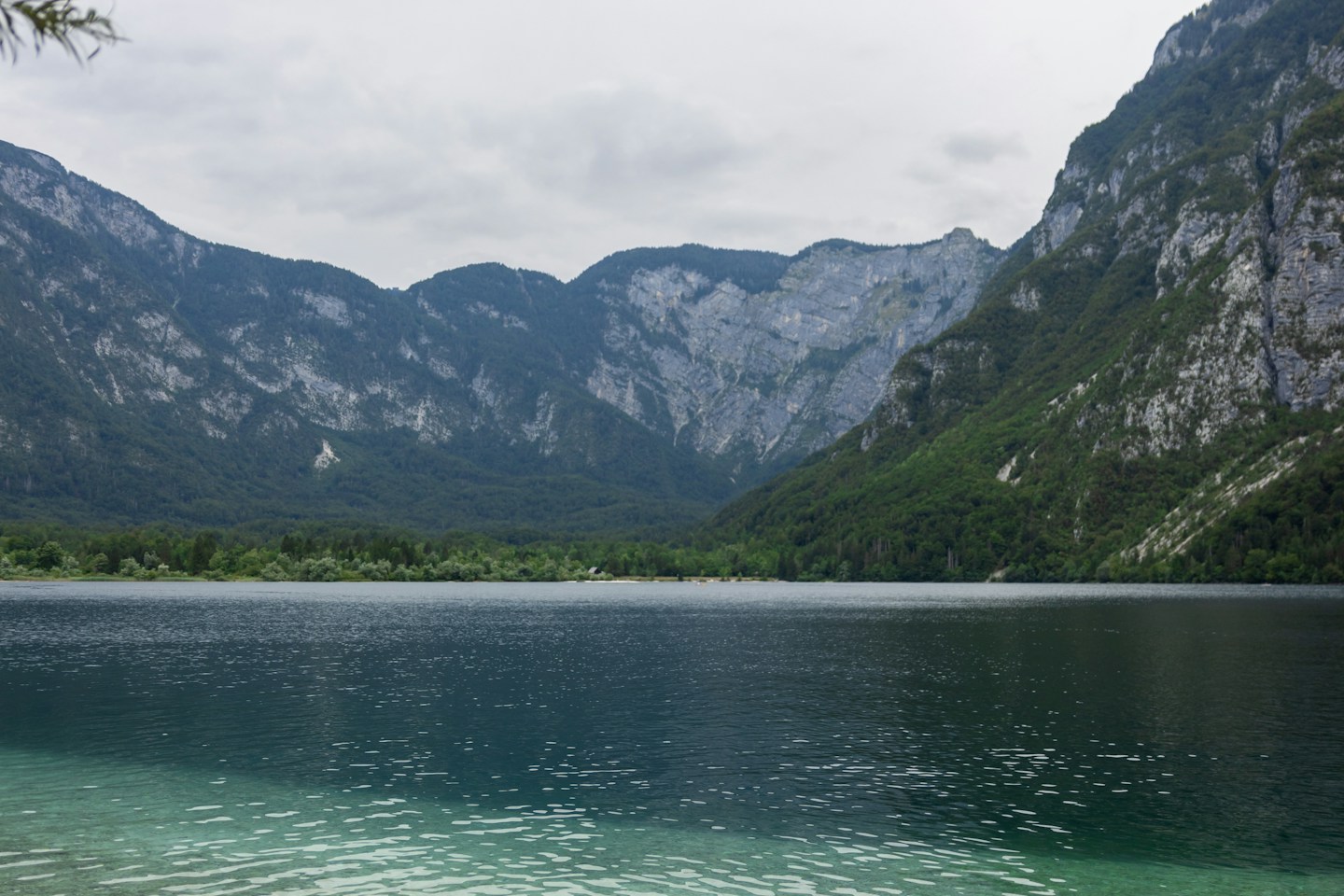
Lake Bohinj gives an Alpine holiday a useful center of gravity. Instead of changing accommodation to chase successive mountain views, you can return to the same water and discover how differently it reads under morning cloud, afternoon light and approaching rain. Forest, village streets and high ground belong to one landscape, but they ask different things of a visitor. The shoreline can support an undemanding afternoon; a mountain route requires its own assessment, equipment and willingness to turn around. Understanding that distinction is the foundation of a satisfying stay, especially for a group whose members have different appetites for walking.
- Bohinj sits within the wider protected landscape of Triglav National Park.
- Waterfalls may involve steps and managed access rather than a flat stroll.
- National park guidance helps identify restrictions that protect sensitive habitats.
Choose a village, then examine the last kilometer
A search for accommodation around Bohinj produces properties that share a regional name without offering the same everyday experience. A room close to the lake, a village apartment and a lodging farther along the valley create different relationships with restaurants, buses and walking routes. Before choosing, trace a normal evening rather than an ambitious sightseeing day. Consider where you would buy breakfast, how you would return after dinner and whether reaching the water would require another vehicle journey. These details determine whether a longer stay feels settled or repeatedly interrupted by logistics.
For travelers arriving without a car, the final connection matters as much as the journey into the region. Confirm the actual stop serving your accommodation, the walking surface between them and the arrangements for arriving with bags. A route that looks short may still be inconvenient in heavy rain or darkness. Drivers should ask where parking is permitted and whether the room includes a space rather than assume that a quiet village has unlimited roadside capacity. The villages are homes and workplaces; gateways, farm access and residential lanes need to remain usable. Choosing a practical base is also a way of reducing pressure on the places you came to enjoy.
Begin with the water, without promising a complete circuit
The lake is a fine first outing because it establishes scale. Mountains that seemed adjacent through a windscreen separate into ridges and valleys, and the relationship between villages, woods and shoreline becomes clearer. Start with a section that fits the arrival day's remaining energy. There is no obligation to complete a circuit merely because a continuous line appears on a map. Surfaces, shade and access points can change, and returning along a familiar stretch often offers a better view than continuing when fatigue has taken over.
At the water, resist the temptation to read appearance as a safety report. Clear water can still be cold; an inviting place to enter may not be a permitted or sensible swimming location. Consult local guidance, observe restrictions and make decisions from actual conditions. Families should think about the return from the shore as well as the approach, particularly when towels, food and tired children all need carrying. A lakeside afternoon can be built around watching light move across the opposite slopes, drawing, reading or sharing a picnic where permitted. Its value does not depend on covering distance or entering the water. Bohinj rewards the traveler who learns to stay with a view.
Give the valley its own day
Valley walking should be treated as a positive choice rather than the consolation prize after mountain plans fail. Forest edges, cultivated land and village buildings explain how people inhabit this Alpine setting. They provide changes in scale that a distant panorama cannot: the way a lane turns around a house, a bridge connects settlements or a path follows a boundary. Choose a route from current local information and ask which sections are suitable for your group. Lower elevation alone does not guarantee a smooth or accessible surface, and a waterfall outing may include a substantial sequence of steps.
A valley day also creates room for the ordinary practical work of a holiday. Buying supplies, drying clothing and finding a comfortable lunch stop need not be squeezed into the exhausted edges of a mountain excursion. If rain is intermittent, a shorter walk close to the accommodation lets you respond without spending the entire day in waterproofs. Notice working fields without walking through them, keep to signed routes and leave agricultural gates as instructed. The combination of walking and village time helps make the region more than a backdrop. By the next clear morning, you have begun to recognize a place rather than merely locate its best-known viewpoints.
The valley also makes a useful common ground for mixed interests. One person can take a longer approved walking route while another remains near the village, provided the plans are independently workable and a meeting place is agreed. Avoid relying on a casual promise to find each other beside the lake, where distance and uncertain phone reception can complicate matters. A named café, accommodation or transport stop creates a clearer conclusion. This allows the stronger walker to enjoy a fuller outing without turning the less ambitious person into a reluctant participant, and lets everyone share the evening with a different perspective on the same landscape.
Stara Fužina offers a practical point for seeking interpretation and advice: the national park lists its Bohinj information center there. A stop can help connect the lake with the wider protected landscape and refine a route before you commit to it. Use the park’s current information-point directory, tnp.si, rather than assuming a seasonal visitor arrangement. Combining that conversation with a village walk gives a lower-key day a specific focus and can make the next excursion more informed.
Treat the upper landscape as a separate undertaking
A calm morning beside the lake says little about conditions higher up. Cloud, wind and temperature can change with elevation, while snow or weather damage can alter a path long after the village feels comfortable. Before committing to a mountain outing, consult Triglav National Park information and the relevant local services. Describe the actual route you intend to take and the experience of the least confident walker. Asking whether a named area is beautiful produces a different answer from asking whether a particular path is appropriate today.
Mountain transport can reduce an ascent without simplifying every kilometer beyond the upper station. Check the route's terrain, exposure, navigation demands and return options independently of how you reach the starting point. Include the last service in the decision, together with a margin for slower walking. Carry what the route and conditions require, rather than what was sufficient for yesterday's shoreline stroll. If the group wants different levels of effort, arrange two complete plans with clear meeting expectations instead of allowing people to separate informally on unfamiliar ground. Turning back while the day is still manageable preserves both safety and the possibility of another outing later in the stay.
Use buses as routes, not rescue assumptions
Local transport can make a village base more flexible and reduce the need to compete for parking at popular access points. It works best when built into the day from the beginning. Check the dates of operation, the precise stops and the final useful return before setting out. A seasonal service appearing on an old itinerary is not evidence that it will operate during your visit. Save the relevant information where you can consult it without relying on a signal at a remote stop.
For a walk using different outward and return stops, pay attention to which direction has the more demanding timetable. Sometimes taking transport first and walking back toward your base removes uncertainty from the afternoon, but the route itself must still fit your ability and daylight. Do not add a detour simply because there appears to be a bus later; make sure that departure actually serves the place where you will finish. The same care applies to a taxi or arranged pickup. Confirm the location in terms that both traveler and driver understand. A clear transport plan gives you more freedom to enjoy the valley because the end of the outing is already accounted for.
Make protection visible in small decisions
A national park is not only scenery with a boundary around it. Its rules organize the relationship between habitats, visitors and communities. Read signs at the place where they apply, since permission for one activity in one area does not establish permission everywhere else. Keep to designated paths, take waste away and avoid approaching animals for a clearer photograph. A patch of lakeshore or woodland can look robust while still being sensitive to the cumulative effects of many people stepping away from the same route.
The village side of consideration is equally concrete. Speak quietly around homes early and late, use proper facilities and avoid treating private gardens as extensions of a viewpoint. Ask before making close portraits of people or entering an apparently picturesque courtyard. Purchasing food locally can support a stay rooted in the valley, but ordinary courtesy matters more than turning every interaction into a performance of responsible travel. Carry a bag for picnic rubbish and plan toilet stops before a long outing. These habits are simple enough to disappear into the day, leaving attention available for the lake, the trees and the weather rather than for avoidable conflict.
Leave with a rhythm rather than a completed inventory
Three or four days need not contain an equal number of major excursions. One might be spent learning the shoreline, another on a suitable mountain route and another in the valley with a long lunch. If the weather reverses that sequence, the trip still holds together. A flexible stay is easier when its pleasures are genuinely varied: somebody who only wants one summit will experience cloud differently from somebody also interested in village life, forest detail and the changing lake surface.
Use the official park website, tnp.si, as the starting point for restrictions and protected-area guidance, then confirm local transport and route arrangements with the relevant operator. Keep the final afternoon modest if the following morning involves a connection away from the region. There is something appropriate about returning to an already familiar section of shoreline before leaving. The same mountains may be hidden that were visible on arrival, or newly clear after days of cloud. Neither version invalidates the other. The achievement is having spent enough time here to recognize the difference and having chosen outings that allowed everyone to remain attentive to it.
A few practical questions
Is Bohinj suitable for a stay without demanding hikes?
Yes. Shoreline sections, village time and appropriate valley walks can support a rewarding stay. Check surfaces and transport for the specific outings you choose; a lower route is not automatically step-free.
Should a mountain outing be booked for the first full day?
Keep the timing flexible where possible. Assess current conditions, transport and group ability locally, and have an equally appealing valley day available if higher terrain is unsuitable.
For current destination information, access guidance and local updates, visit the official Triglav National Park travel resource. Check transport and attraction details directly before booking.
This is a general planning guide, not a live conditions report. Found something that needs updating? Send a correction.